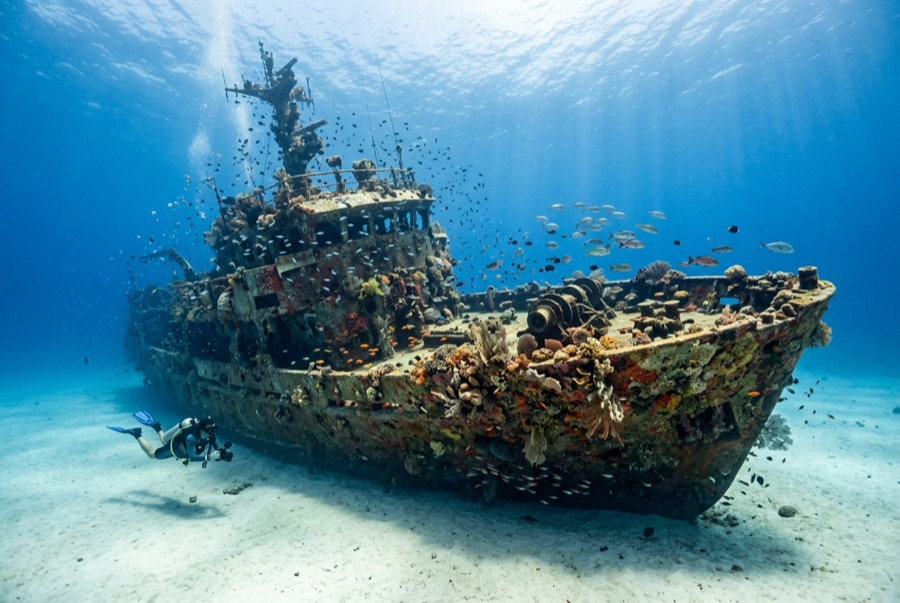
Airplane Wreck (Tuble)
Depth is the range from the top of the site to its usual maximum; "recommended cert" is the mainstream-agency level operators usually ask for, not a legal rule. Currents and visibility change daily, so treat everything here as planning ranges.
Decades ago a small passenger plane was lowered onto the sand off Tuble as a dive attraction, and the sea has been slowly digesting it since. What remains, a recognizable fuselage and wing sections at around 20 m, works as a macro magnet more than a wreck experience: frogfish take up residency for weeks at a time, scorpionfish drape the airframe, and cardinalfish cloud the cabin space. The surrounding sanctuary wall fills the rest of the dive with healthy coral and reef fish. It is a novelty with genuine payoffs, best treated as a photo stop stitched into a Tuble wall dive.
The moment you come for: A photogenic aircraft skeleton, resident frogfish, easy add-on to the Tuble wall
Topography: Sand shelf below the Tuble reef wall
Know before you splash
Hazards: Sharp, corroding metal; no enterable spaces worth the risk.
Conservation: The airframe is fragile and sharp; it functions as habitat now, not a jungle gym.
Nitrox: Worth it here: profiles sit in the range where enriched air meaningfully extends no-stop time (with the training to use it).
Who you'll meet
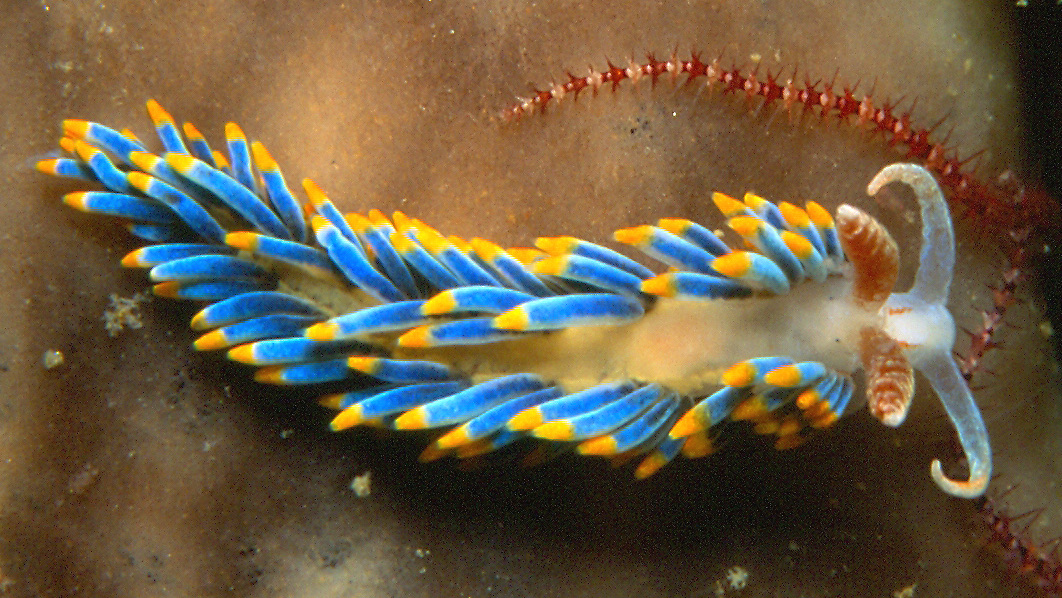
Nudibranchs
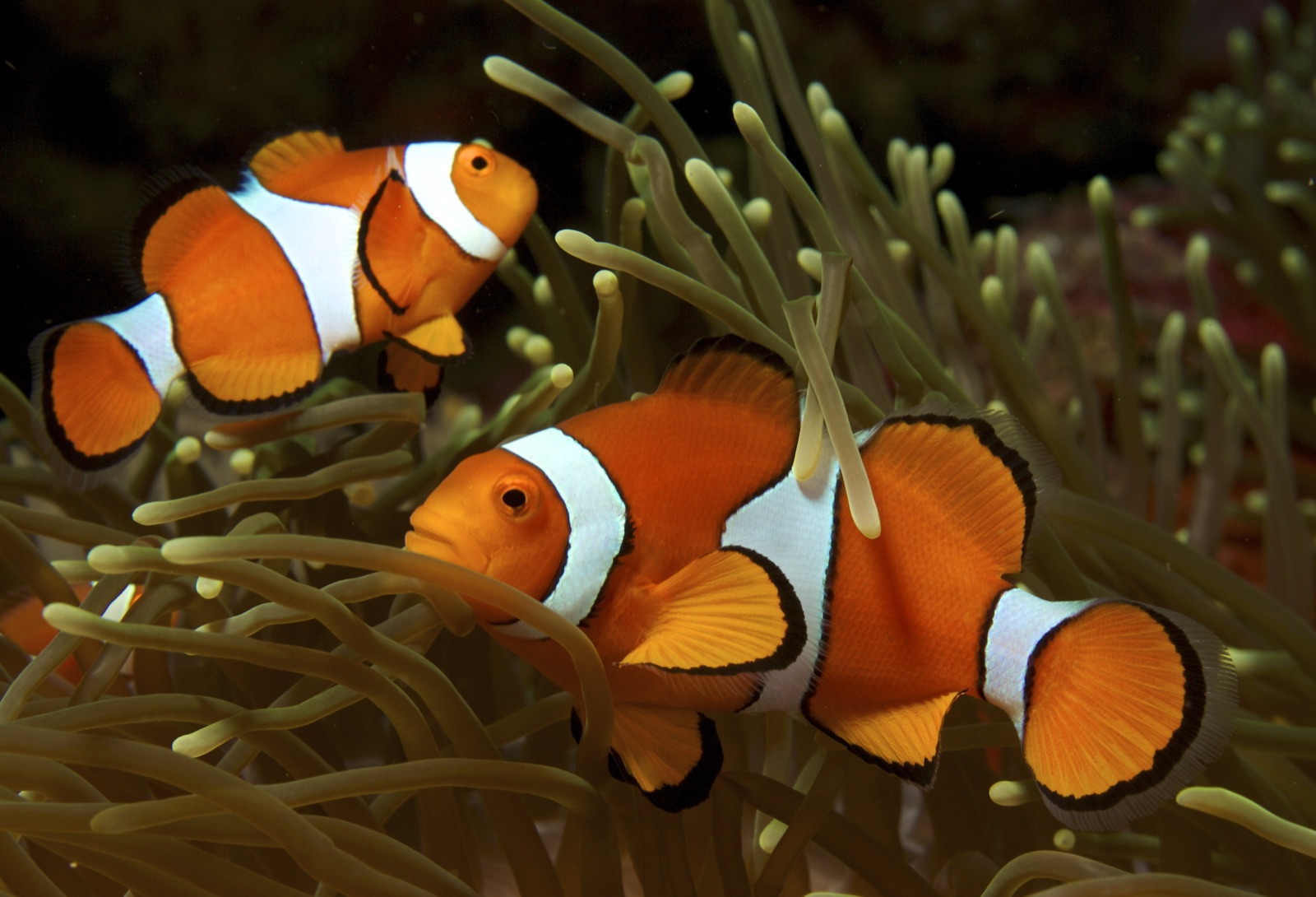
Clownfish & Anemonefish
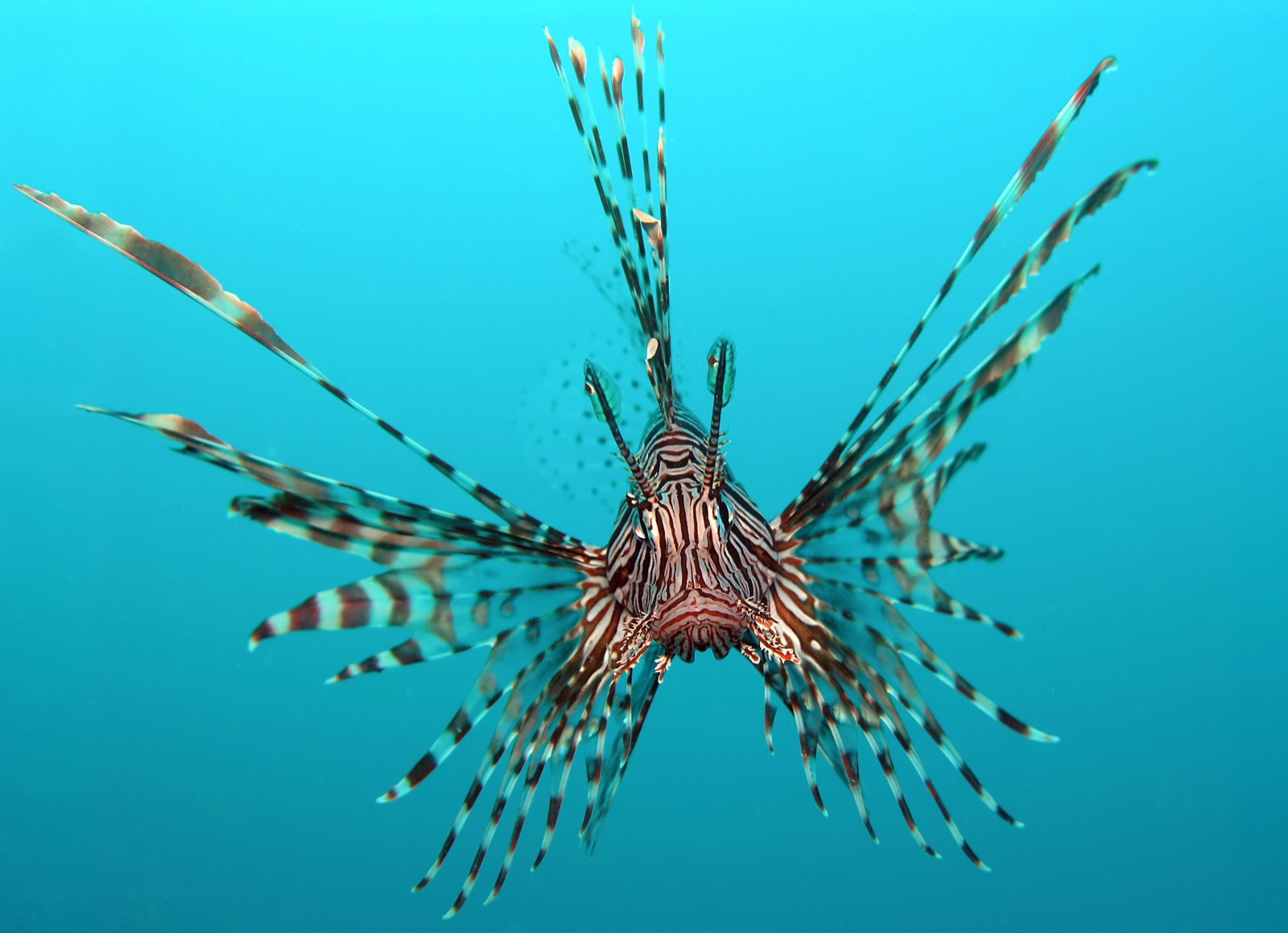
Lionfish
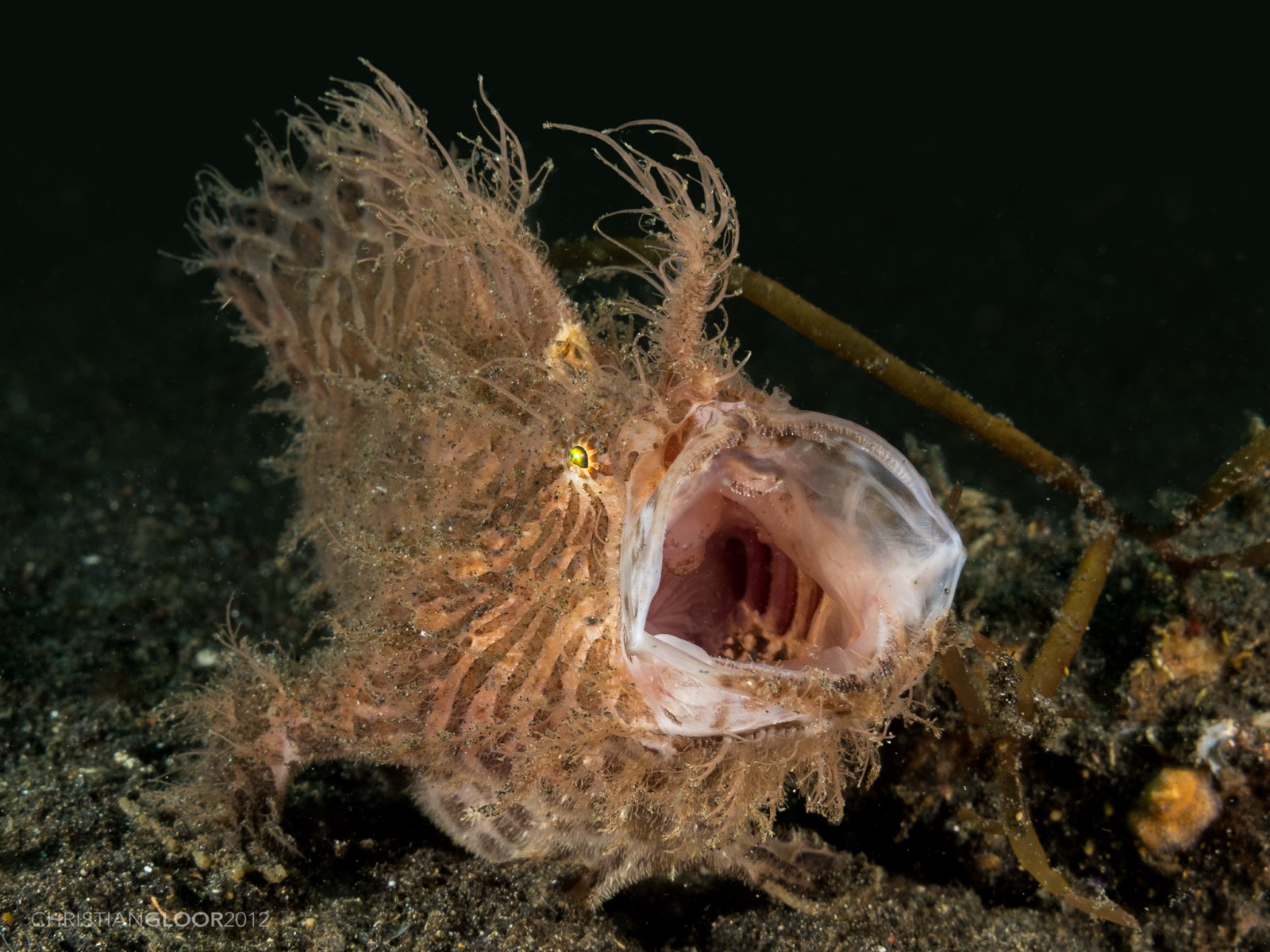
Frogfish
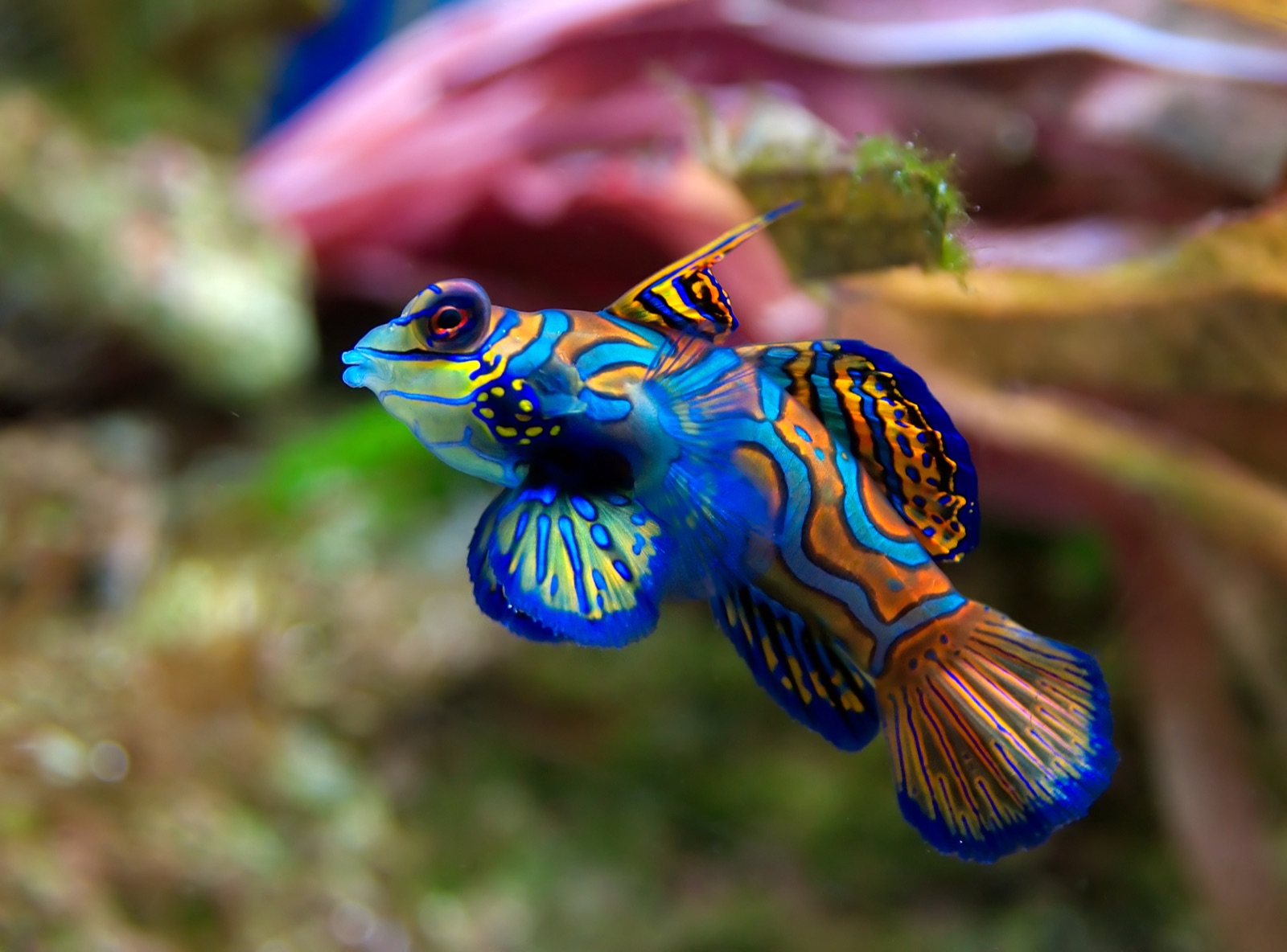
Mandarinfish
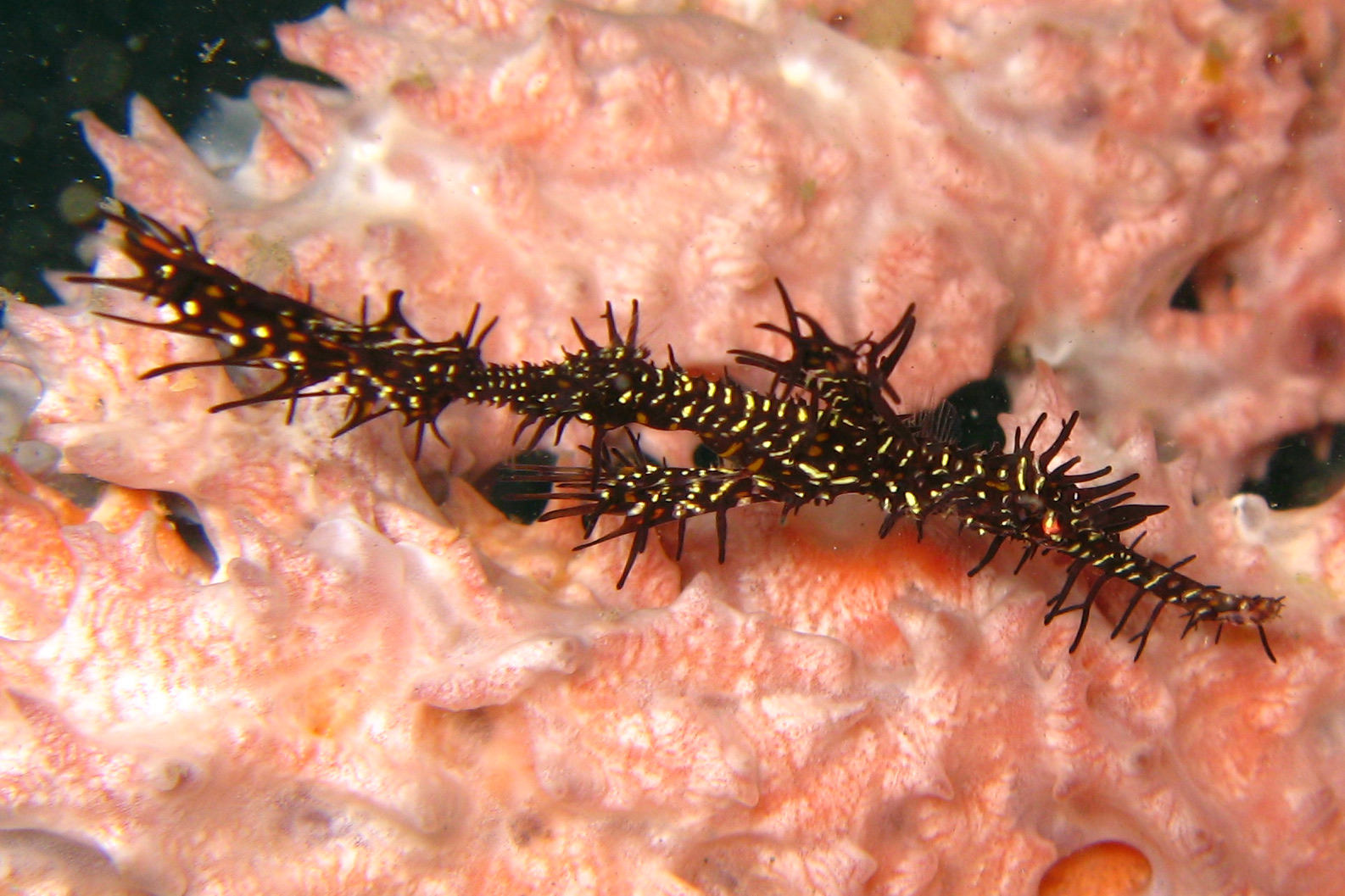
Ornate Ghost Pipefish
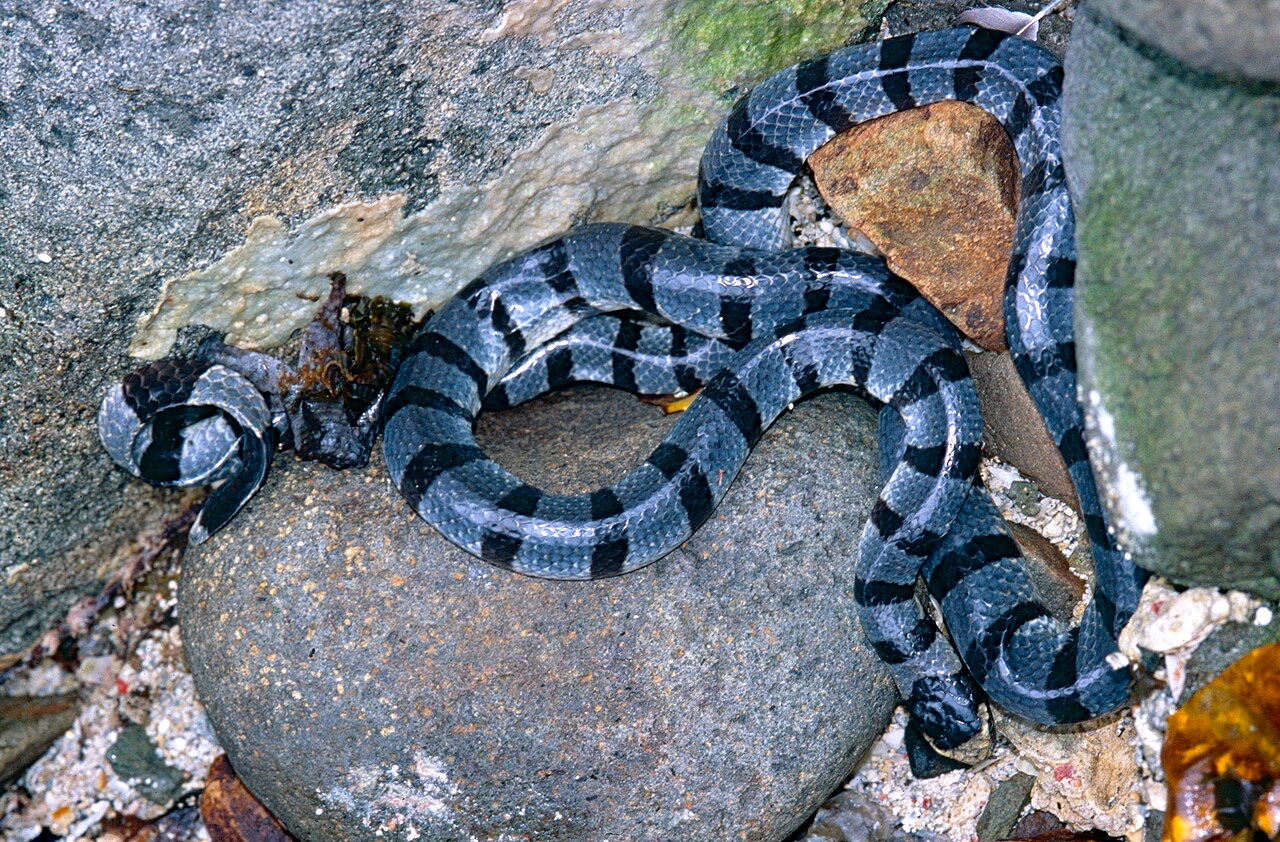
Banded Sea Krait
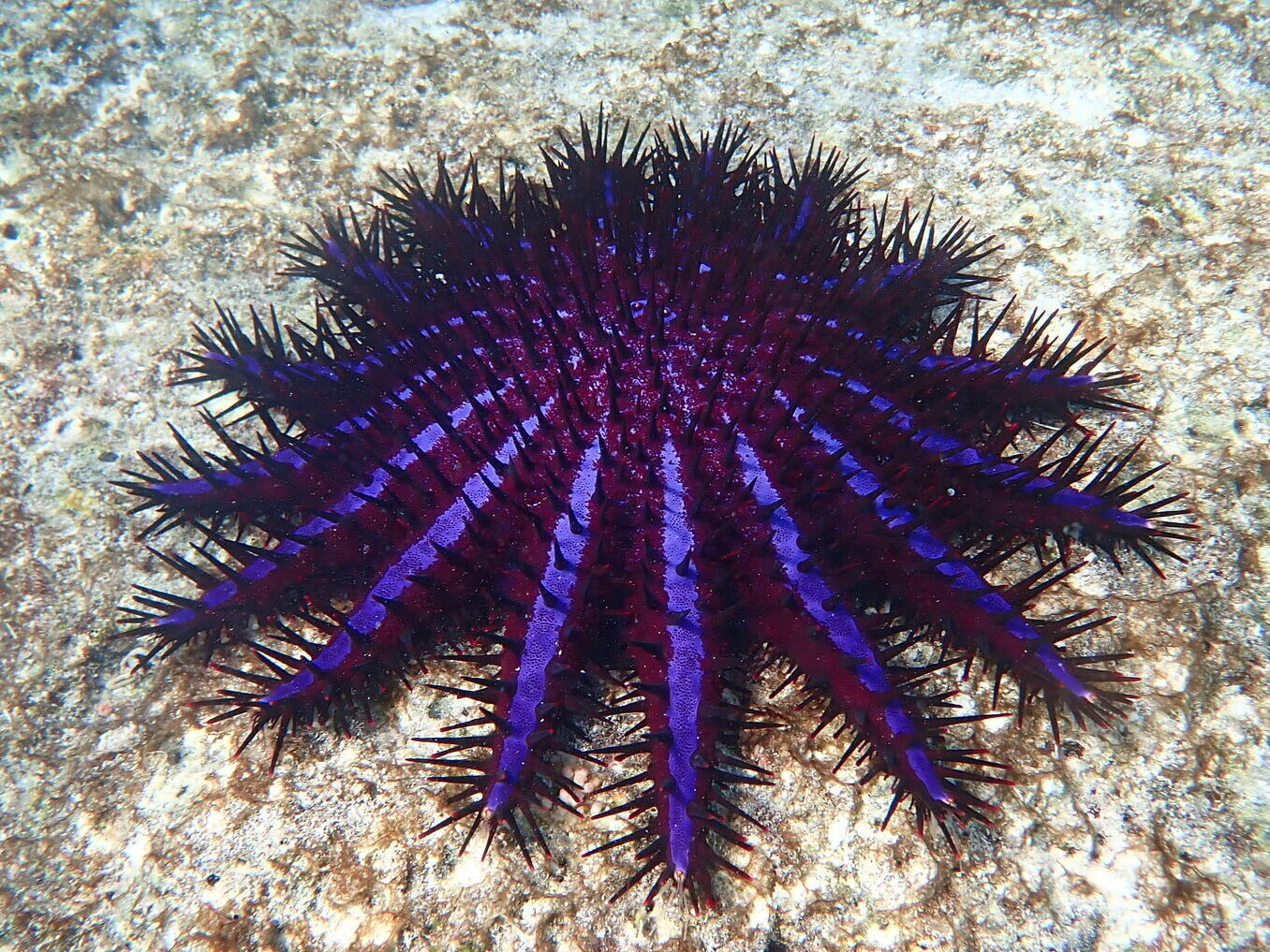
Crown-of-Thorns Starfish
Also recorded nearby
"Charted here" species were listed by our editors from the sources on this page. Counts are GBIF occurrence records: observations logged within about 5 km of the charted position since 1990, matched only against the species in our catalogue. They show what has been seen there, not a promise of what you will see.
For photographers
Wide angle: ★★★☆☆ · Macro: ★★★★☆ (editors' 1–5 rating of what this site gives each style of shooting)