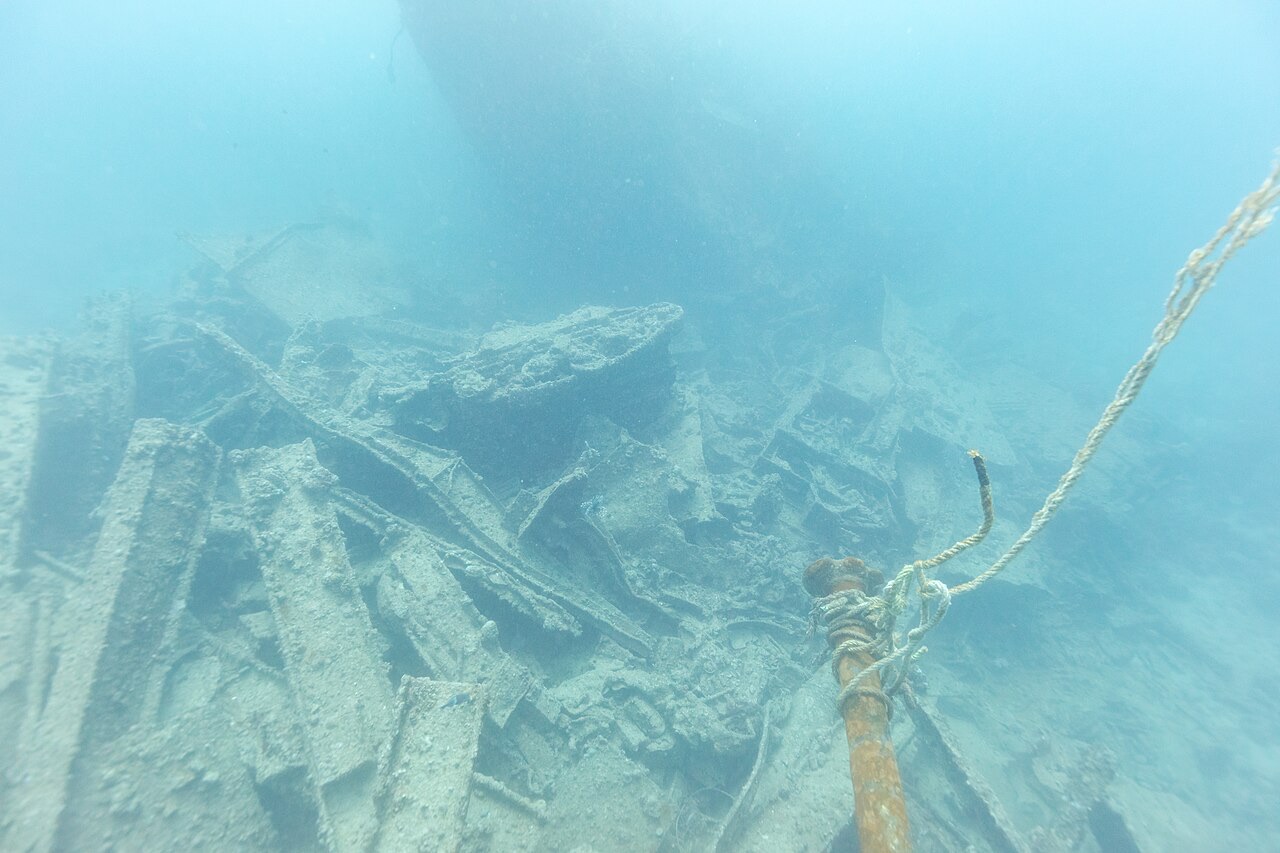
SS Thistlegorm
La profundidad es el rango desde la cima del punto de buceo hasta su máximo habitual; la "certificación recomendada" es el nivel que los operadores suelen pedir según las agencias principales, no una norma legal. Las corrientes y la visibilidad cambian a diario, así que trata todo esto como rangos de planificación.
A British armed freighter bombed at anchor on 6 October 1941, the Thistlegorm sank with a war cargo bound for North Africa: Bedford trucks, BSA and Norton motorcycles, rifle crates, aircraft parts, and rubber boots still stacked in her holds, with two locomotives thrown onto the seabed beside her. Nine men died in the attack, and the blasted stern shows why - the bombs detonated ammunition in the aft holds. Jacques Cousteau's team dived her in the mid-1950s; she was then largely forgotten until the early 1990s and is now the busiest wreck in the Red Sea. Current can run hard along the hull, mornings bring queueing day boats, and the holds demand calm, controlled finning over eighty-year-old cargo.
El momento por el que vienes: Motorcycles still on truck beds in hold two; the anti-aircraft gun at the stern; locomotives on the sand; dense glassfish and batfish over the bridge.
Topografía: Sand seabed at about 30-32 meters with the hull upright and the stern section torn open
Corriente: Tidal current along the hull can be strong enough to demand the lines both ways.
Entrada: A long day trip from Sharm into the Strait of Gubal or a staple of northern liveaboard routes; descents and ascents run on fixed lines.
Lo que debes saber antes de tirarte al agua
Riesgos: Strong current on the lines, heavy boat traffic overhead, silt and sharp steel in the holds, and easy depth overruns at the stern.
Conservación: Take nothing. Decades of souvenir theft have already stripped much of the cargo's detail; artifact removal is illegal and mooring damage remains an ongoing concern.
Nitrox: Vale la pena aquí: los perfiles están en el rango donde el nitrox amplía de forma significativa el tiempo sin parada (con la formación necesaria para usarlo).
A quién encontrarás
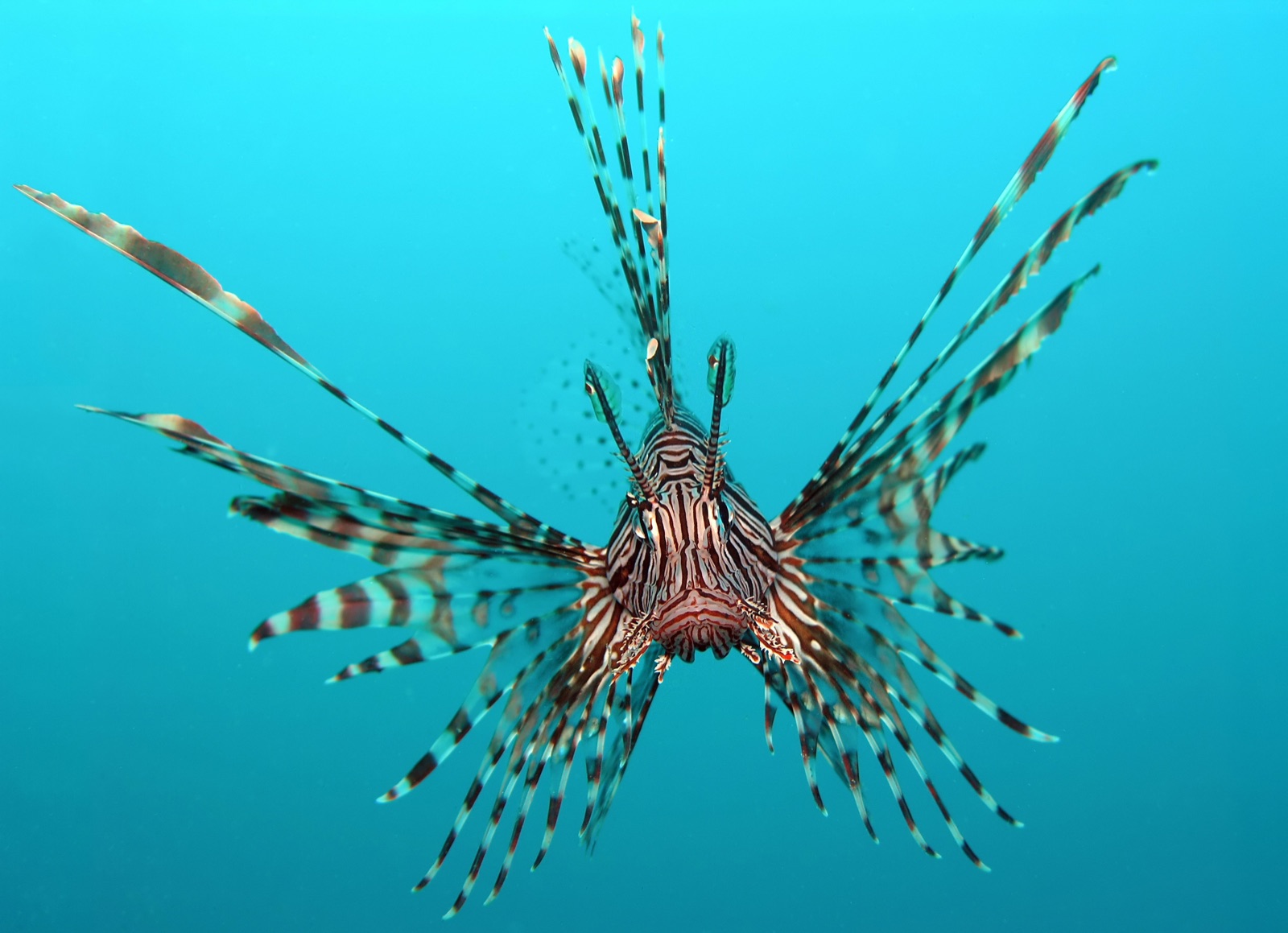
Lionfish
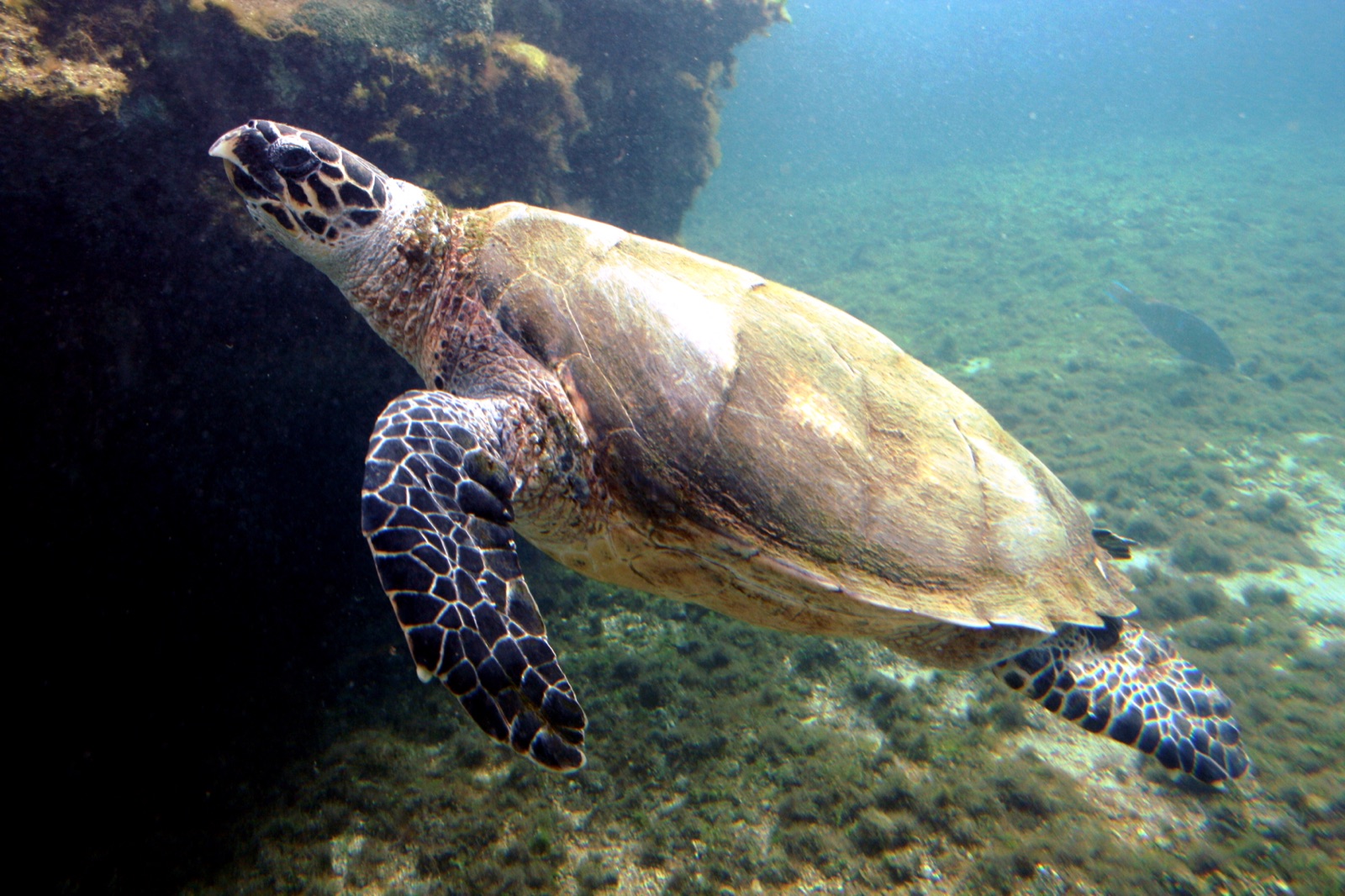
Hawksbill Turtle
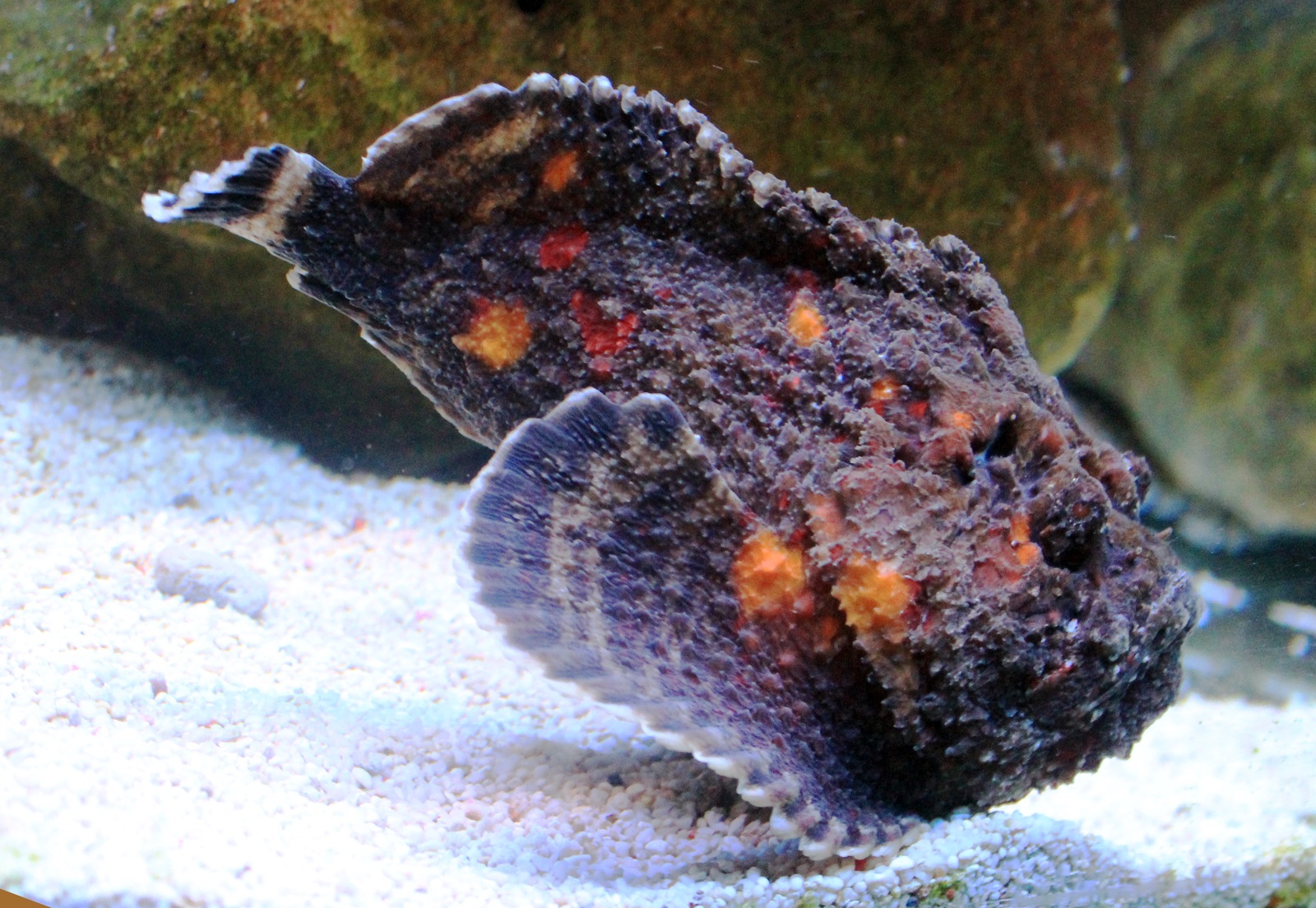
Reef Stonefish
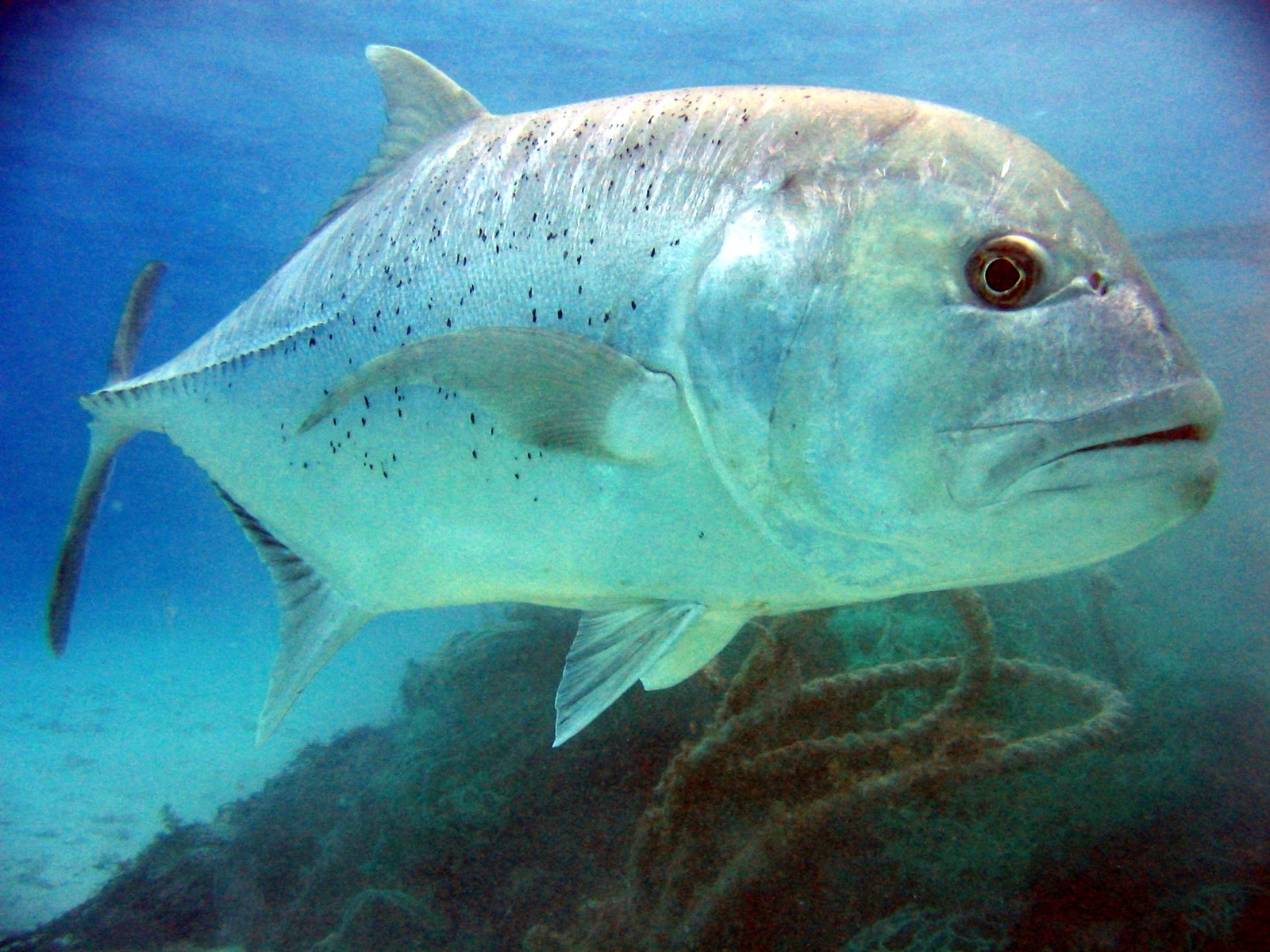
Giant Trevally
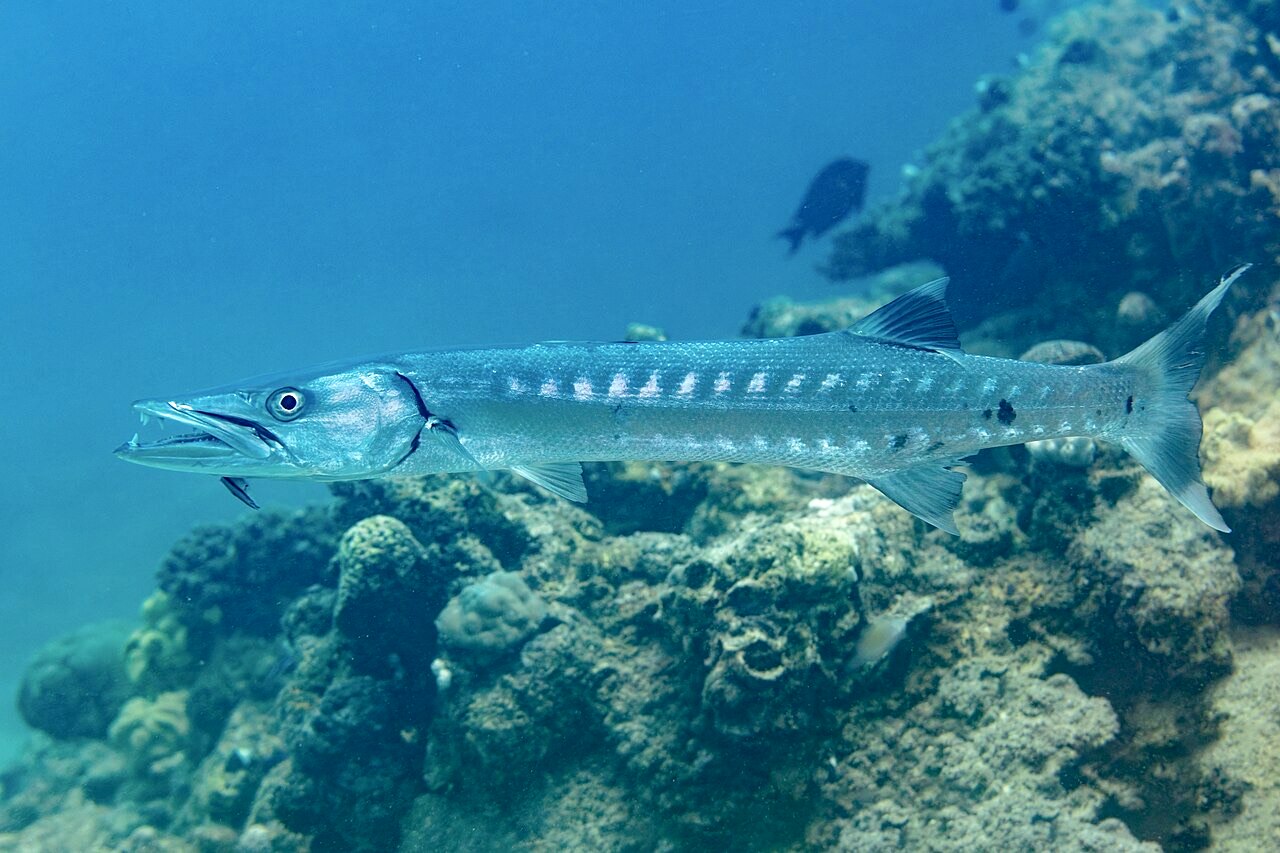
Great Barracuda
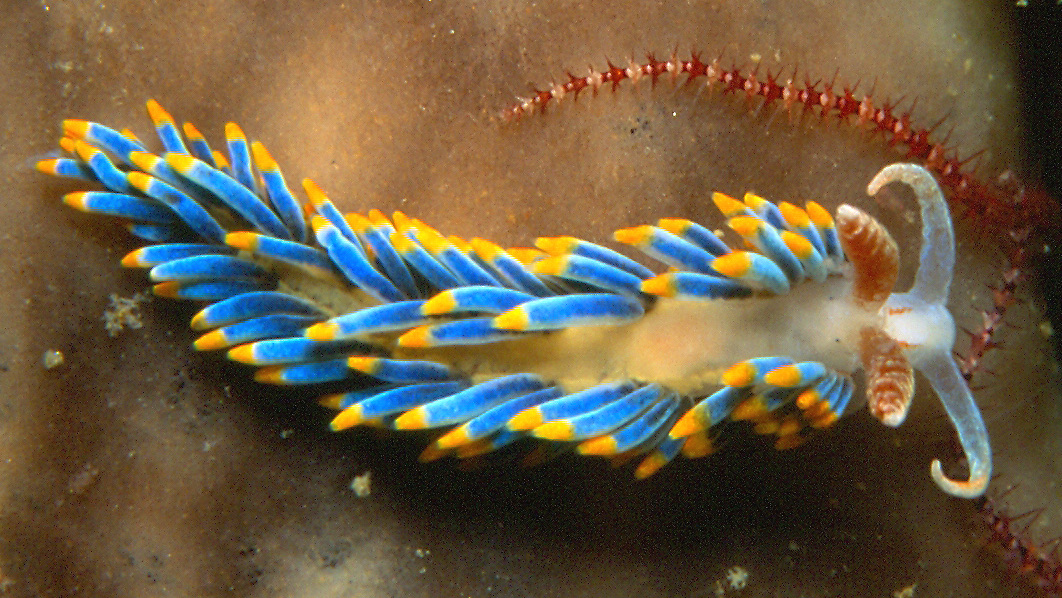
Nudibranchs
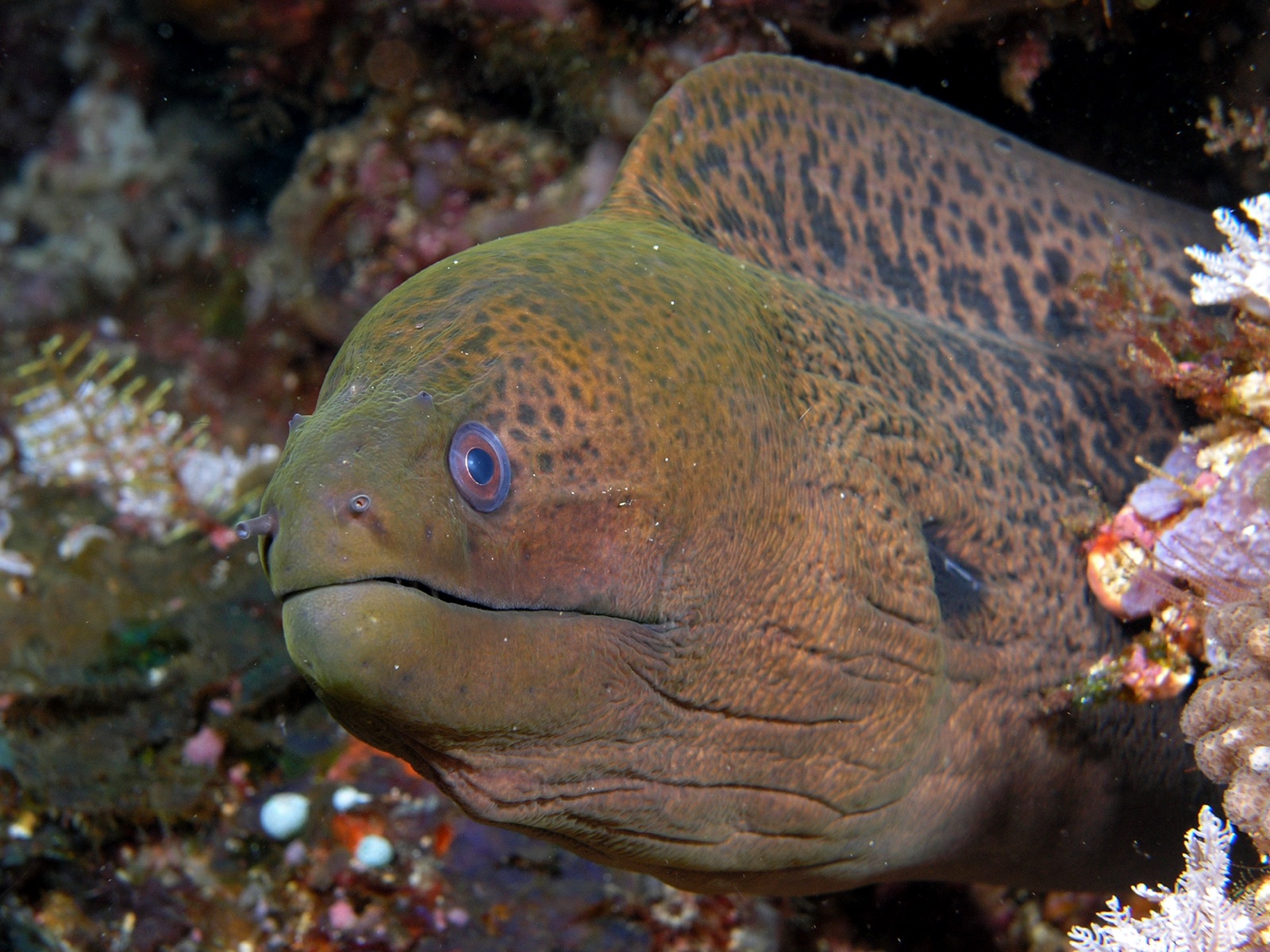
Giant Moray Eel
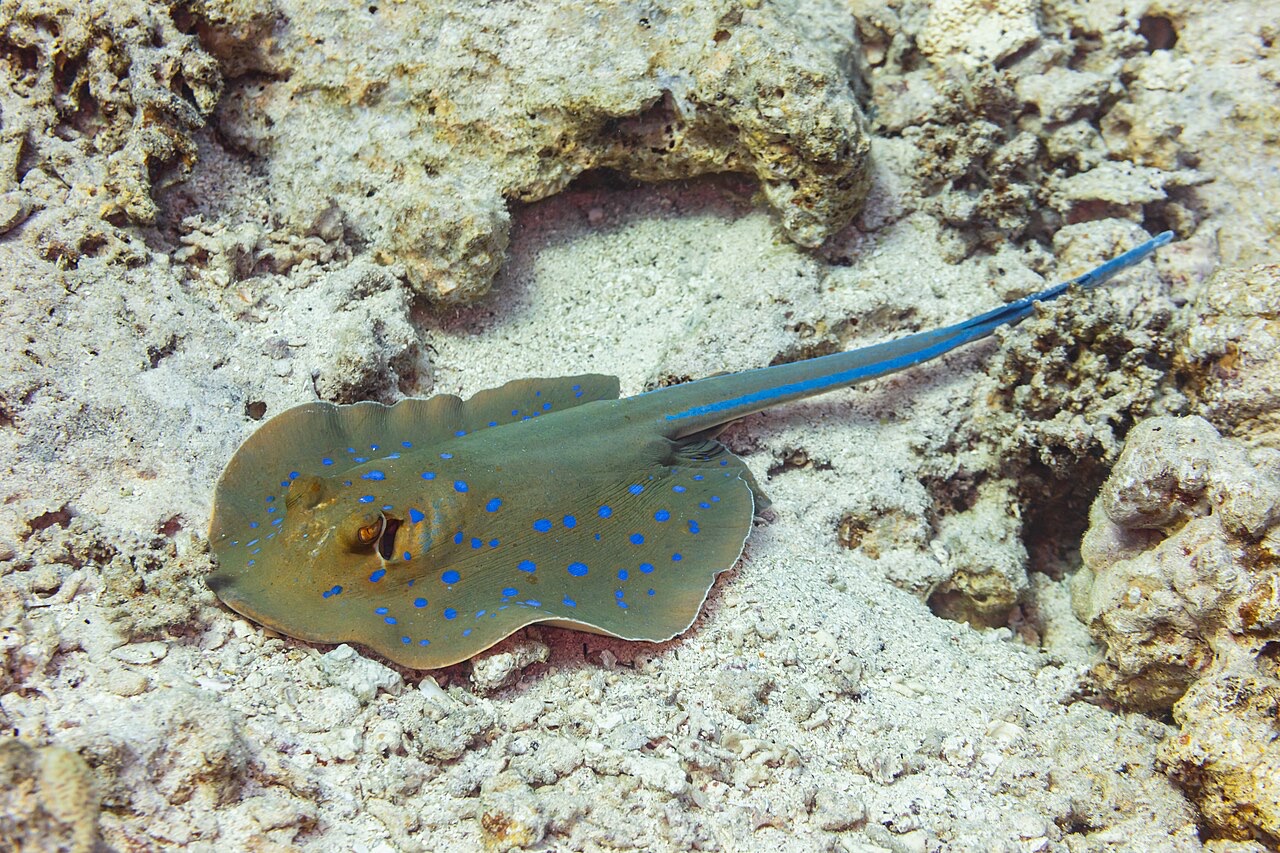
Blue-Spotted Ribbontail Ray
También registrado cerca
Las especies "aquí registradas" fueron añadidas por nuestros editores a partir de las fuentes de esta página. Los recuentos son registros de ocurrencia de GBIF: observaciones anotadas en un radio de unos 5 km de la posición registrada desde 1990, cotejadas únicamente con las especies de nuestro catálogo. Muestran lo que se ha avistado allí, no una garantía de lo que verás.
Para fotógrafos
Gran angular: ★★★★★ · Macro: ★★★☆☆ (valoración de 1 a 5 de los editores sobre lo que ofrece este sitio para cada estilo de fotografía)