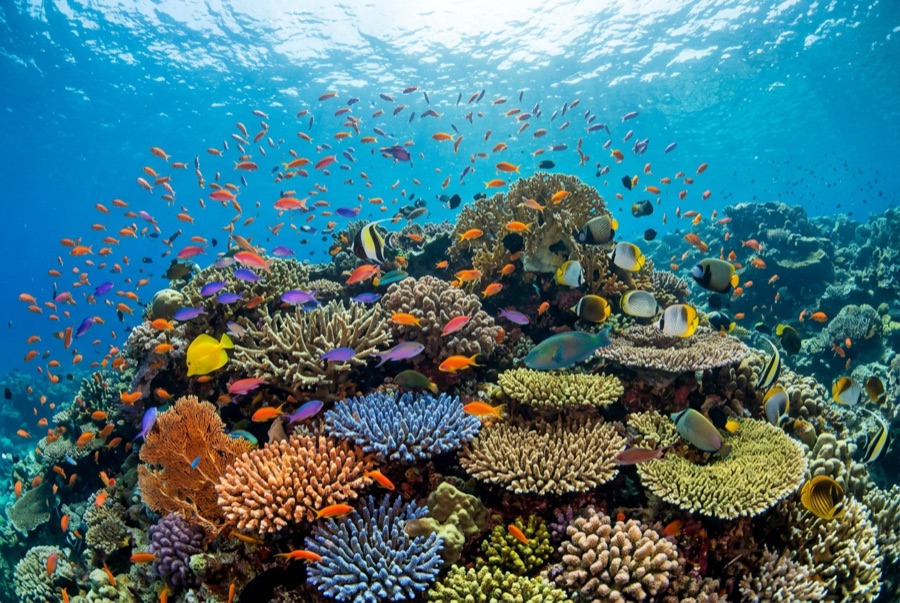
Cape Kri
Die Tiefe gibt den Bereich von der Oberkante des Tauchplatzes bis zur üblichen Maximaltiefe an; „empfohlene Zertifizierung" ist das von Anbietern üblicherweise geforderte Mainstream-Agenturniveau – keine gesetzliche Vorschrift. Strömungen und Sichtweite ändern sich täglich – behandle alle Angaben hier als Planungsbereiche.
The eastern point of Kri Island is the dive that made Raja Ampat's reputation for sheer fish abundance: a survey here famously recorded more species on a single dive than almost anywhere on record. When the current presses the point, sweetlips pile beneath the table corals, snapper and batfish hang in mid-water walls, trevally and Spanish mackerel carve through fusilier clouds, and reef sharks patrol the down-current edge. Divers hook in or hover at the split and simply watch the traffic. On the drift off the point, wobbegongs wedge under plate corals and turtles work the rubble. It can feel like diving inside a bait ball with scenery.
Der Moment, für den du kommst: Extreme fish density at the point; sweetlips aggregations; sharks and big trevally in the current.
Topografie: Coral-covered slope and point dropping from a shallow reef flat to sand past 40 m.
Strömung: Tidal flow accelerates around the point; the fish show is best when it runs, so most dives are timed drifts with a reef hook briefing.
Was du wissen solltest, bevor du ins Wasser gehst
Gefahren: Strong, shifting current; possible down-current off the point; boat traffic on the surface.
Naturschutz: Inside the Dampier Strait marine protected area; patrols and the entry-tag system fund enforcement.
Nitrox: Hier lohnt es sich – die Profile liegen in einem Bereich, in dem Nitrox die Nullzeiten spürbar verlängert (mit der entsprechenden Ausbildung).
Wen du triffst
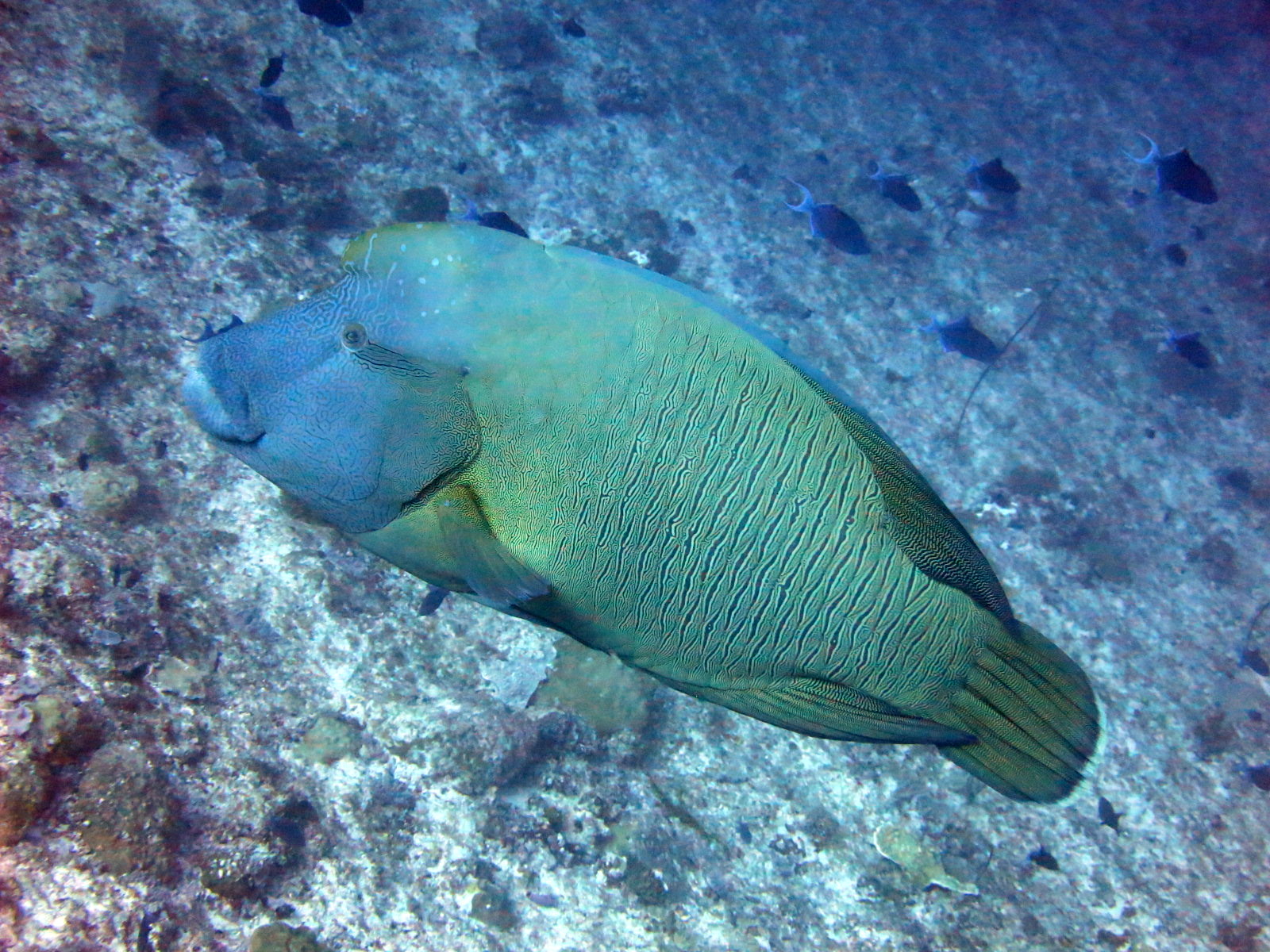
Napoleon (Humphead) Wrasse
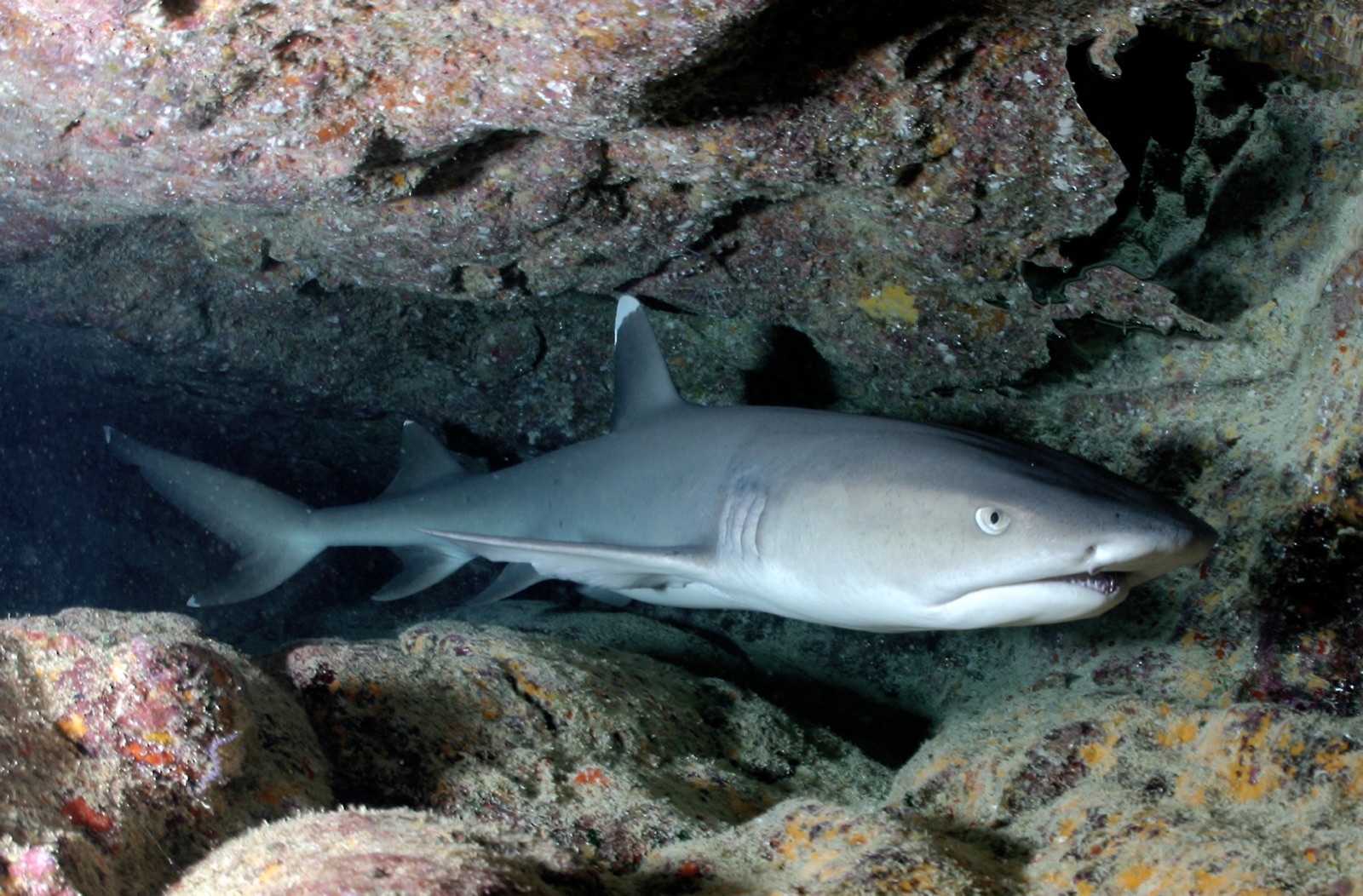
Whitetip Reef Shark
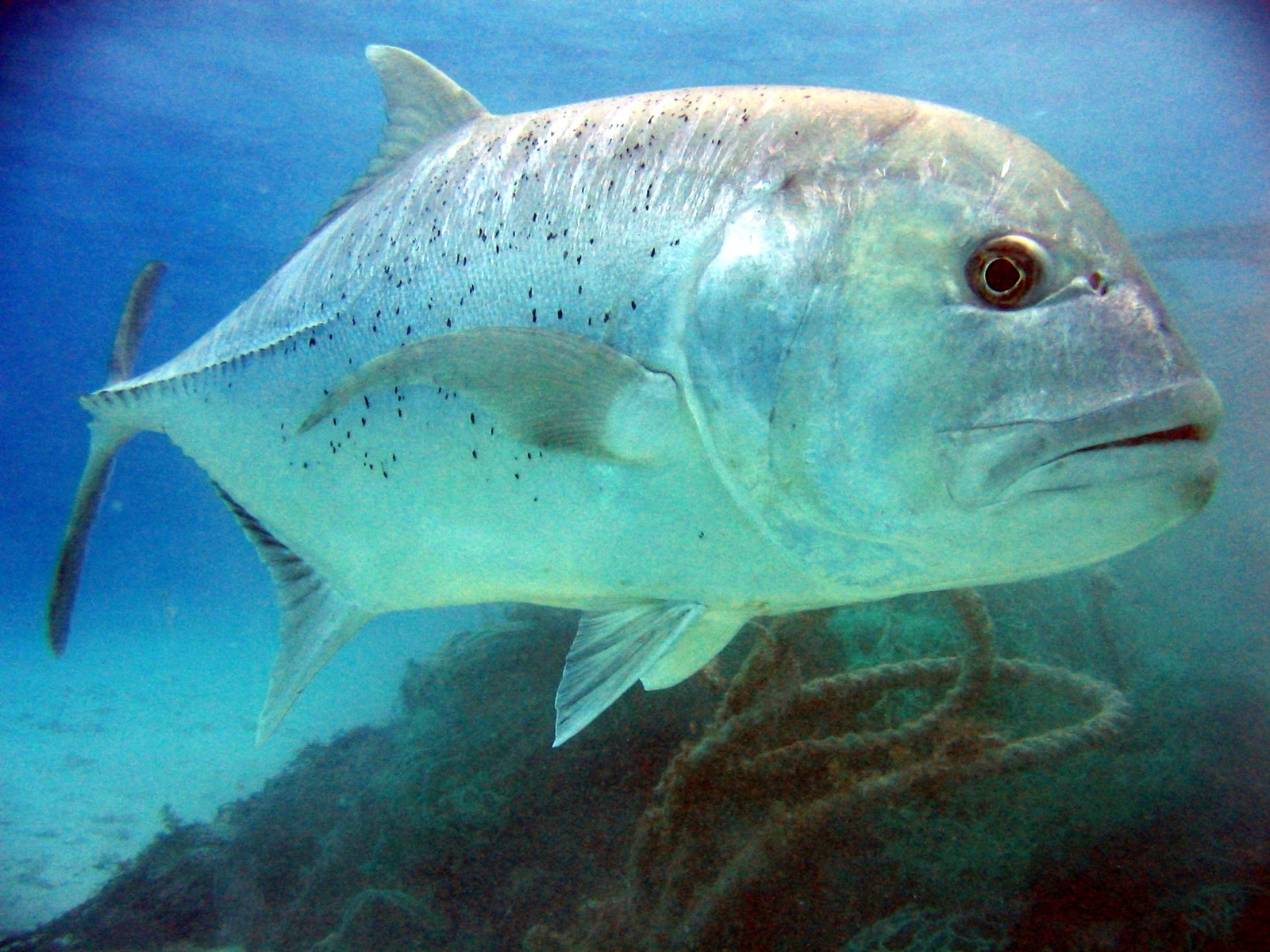
Giant Trevally
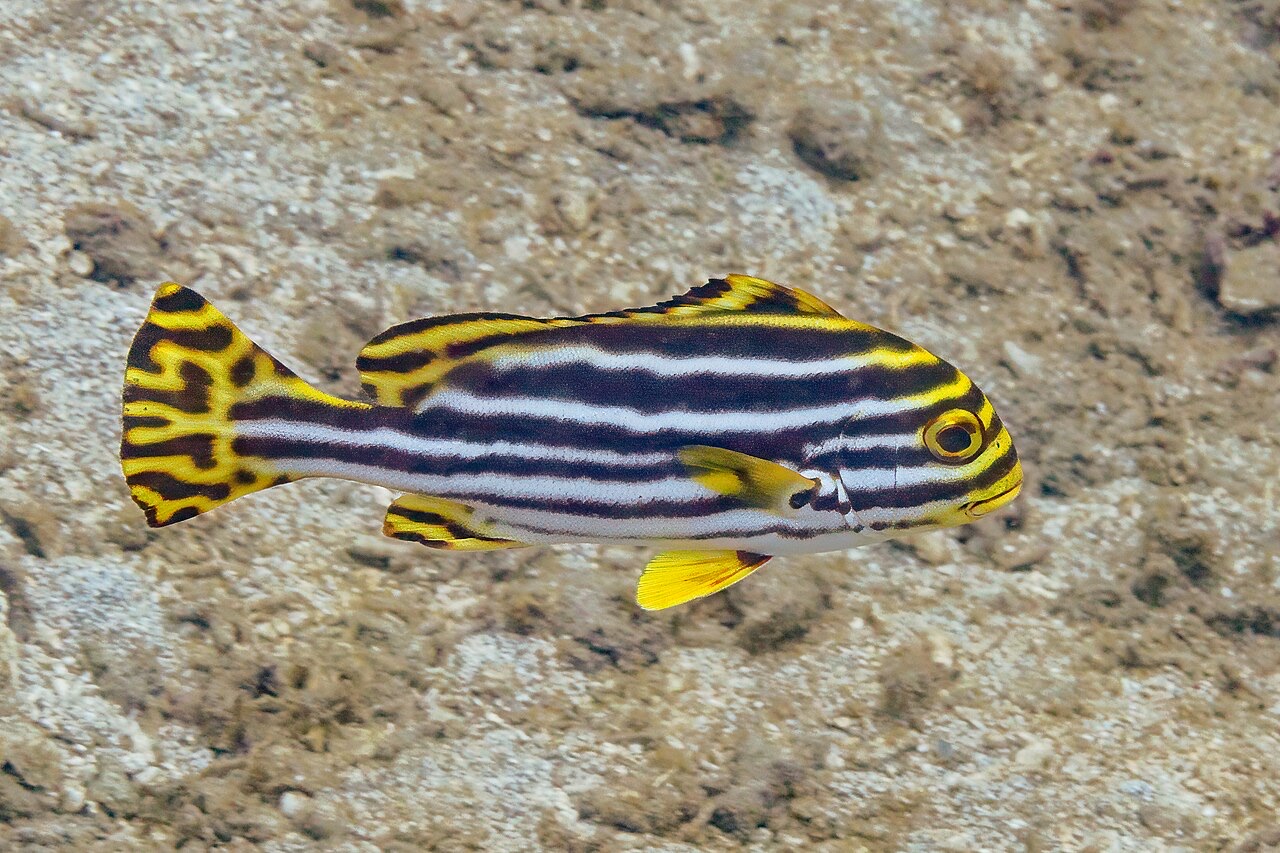
Oriental Sweetlips
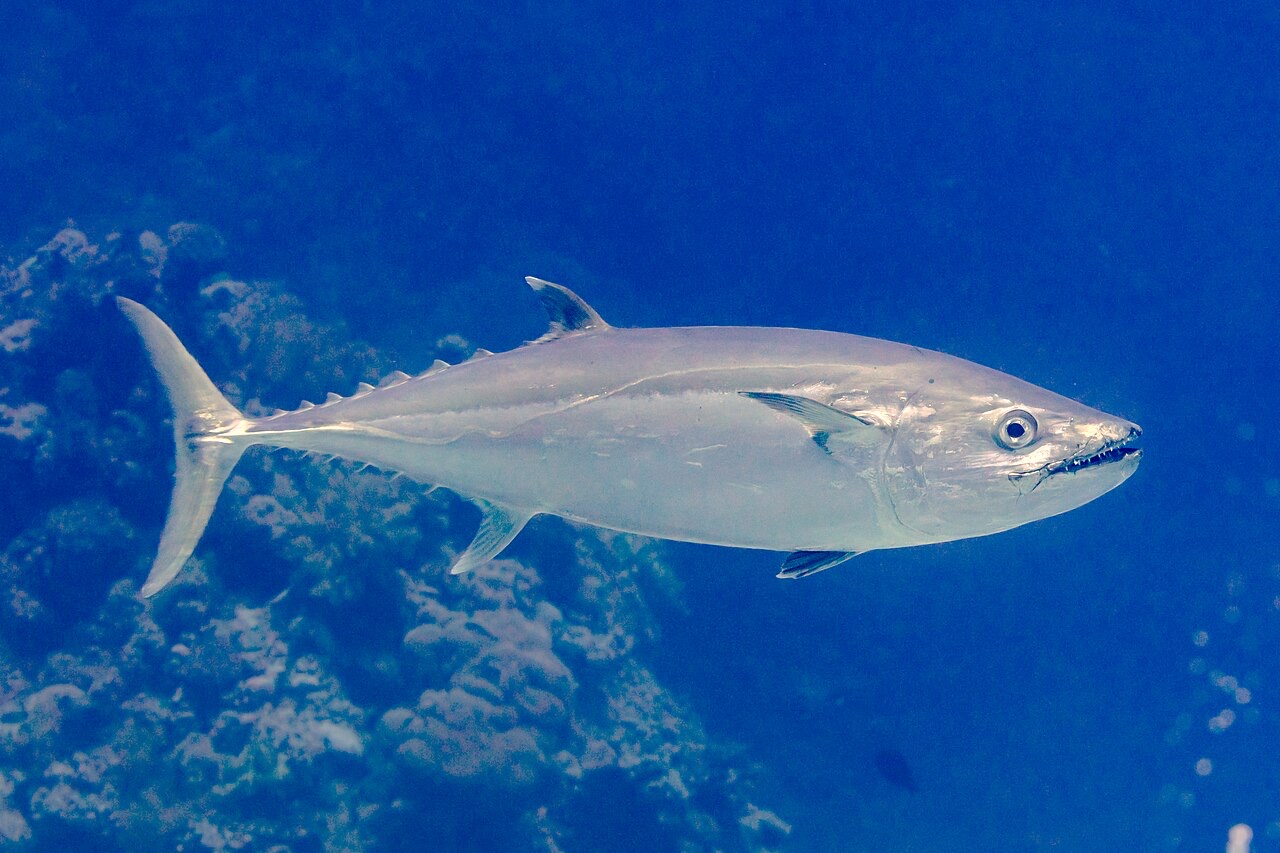
Dogtooth Tuna
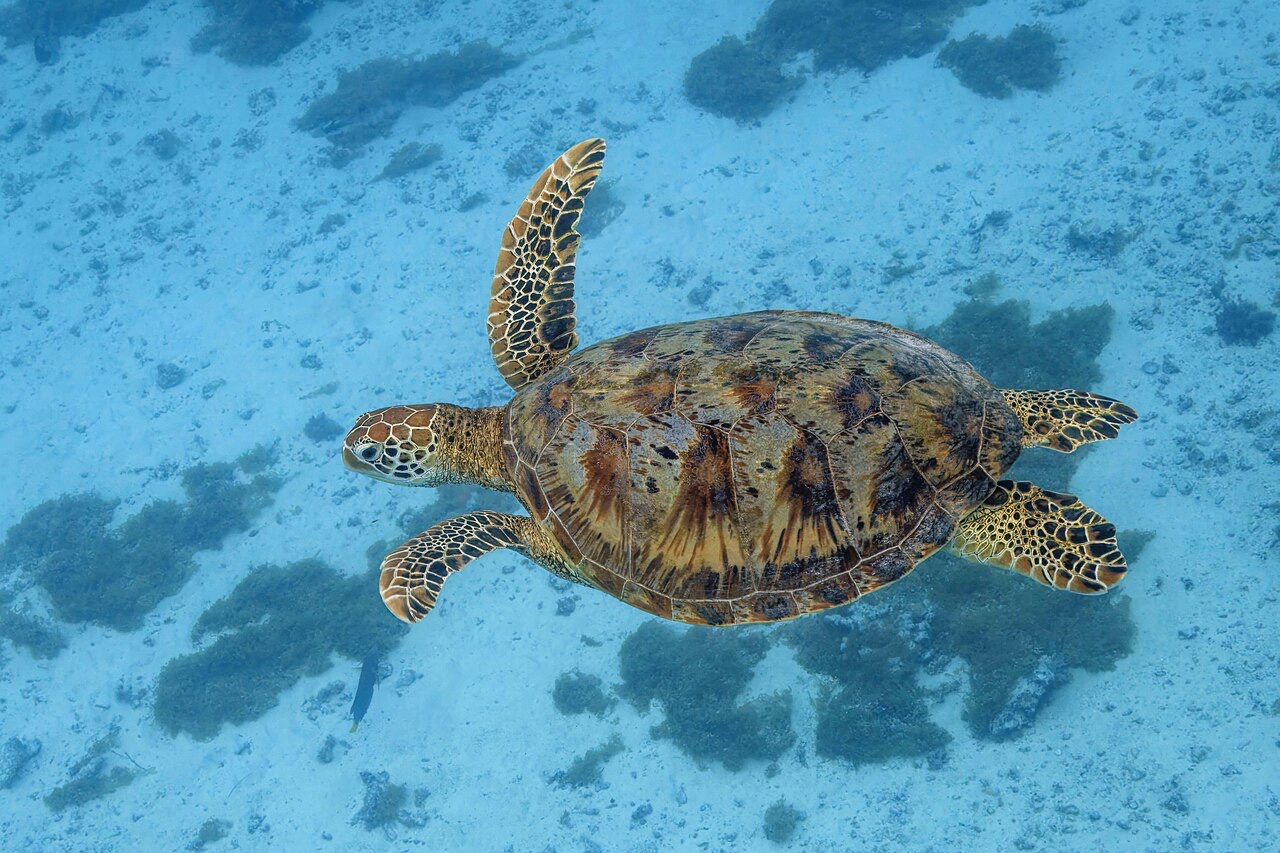
Green Sea Turtle
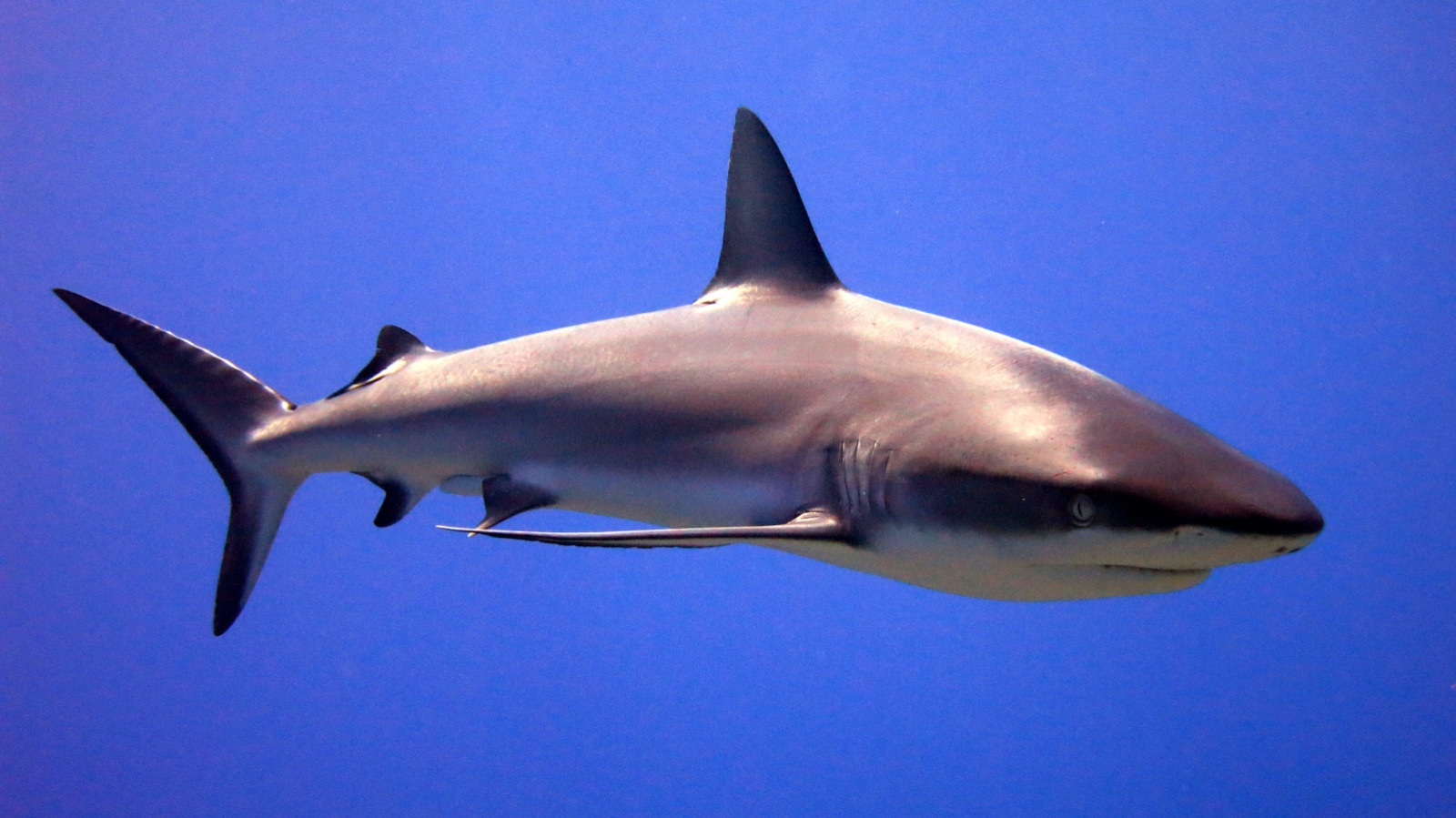
Grey Reef Shark
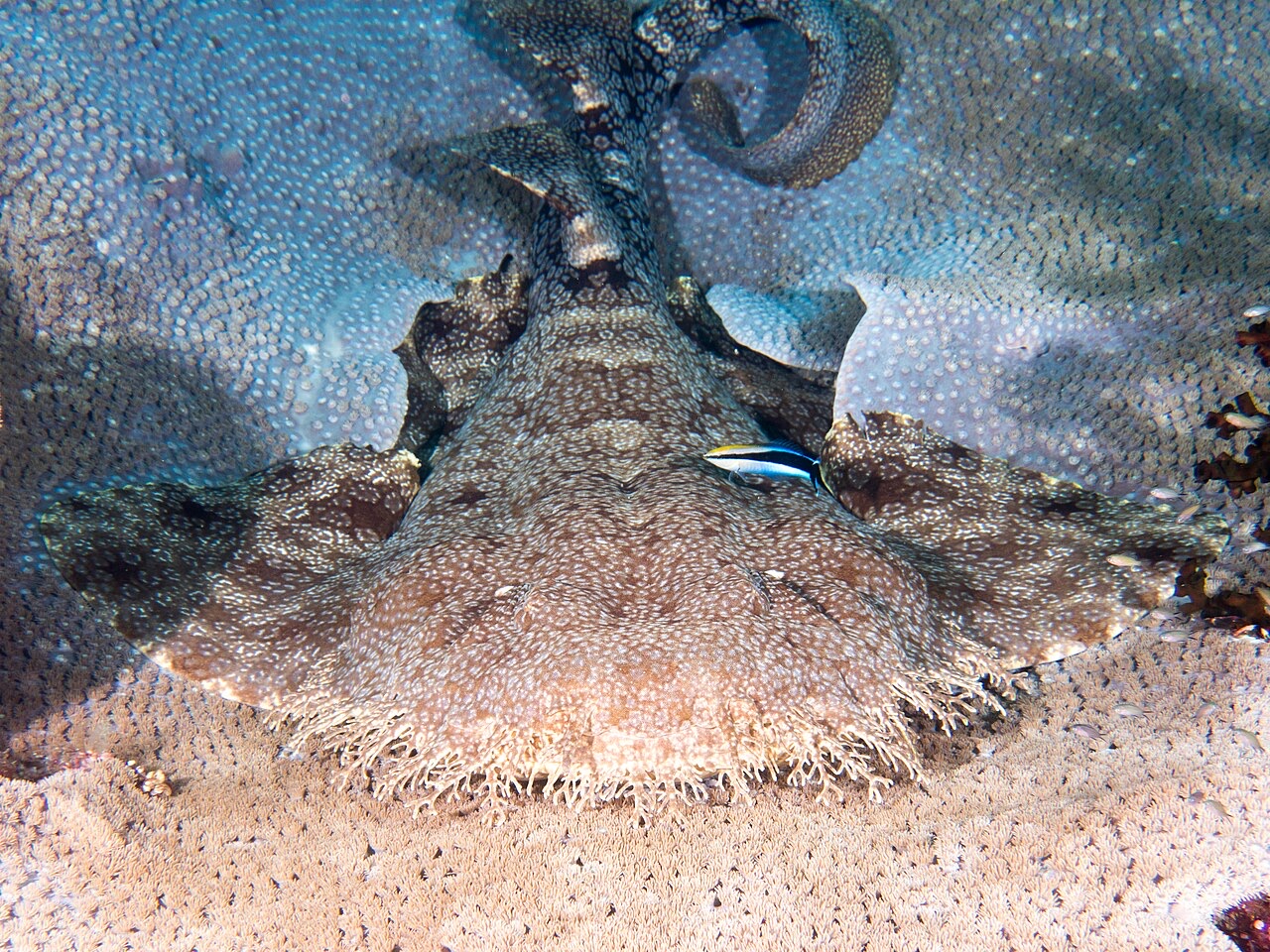
Tasselled Wobbegong
Auch in der Nähe nachgewiesen
„Hier kartiert" – Arten wurden von unseren Redakteuren anhand der Quellen auf dieser Seite erfasst. Die Zahlen sind GBIF-Vorkommensdatensätze: Beobachtungen, die seit 1990 im Umkreis von etwa 5 km um die kartierte Position protokolliert wurden, ausschließlich abgeglichen mit den Arten in unserem Katalog. Sie zeigen, was dort gesichtet wurde – keine Garantie, was du sehen wirst.
Für Fotografen
Weitwinkel: ★★★★★ · Makro: ★★★☆☆ (Redaktionelle 1–5-Bewertung, was dieser Platz für jeden Fotografie-Stil bietet)