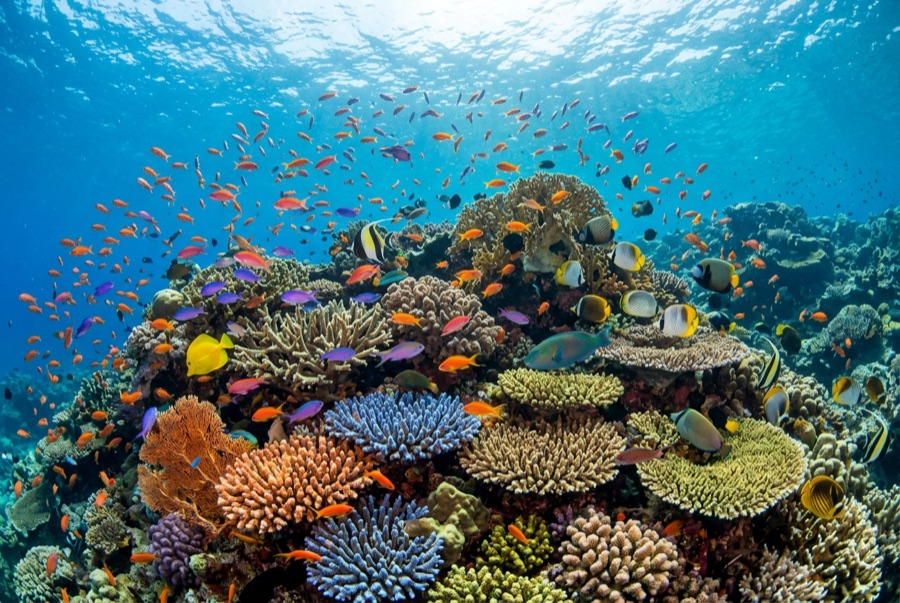
Cape Kri
Depth is the range from the top of the site to its usual maximum; "recommended cert" is the mainstream-agency level operators usually ask for, not a legal rule. Currents and visibility change daily, so treat everything here as planning ranges.
The eastern point of Kri Island is the dive that made Raja Ampat's reputation for sheer fish abundance: a survey here famously recorded more species on a single dive than almost anywhere on record. When the current presses the point, sweetlips pile beneath the table corals, snapper and batfish hang in mid-water walls, trevally and Spanish mackerel carve through fusilier clouds, and reef sharks patrol the down-current edge. Divers hook in or hover at the split and simply watch the traffic. On the drift off the point, wobbegongs wedge under plate corals and turtles work the rubble. It can feel like diving inside a bait ball with scenery.
The moment you come for: Extreme fish density at the point; sweetlips aggregations; sharks and big trevally in the current.
Topography: Coral-covered slope and point dropping from a shallow reef flat to sand past 40 m.
Current: Tidal flow accelerates around the point; the fish show is best when it runs, so most dives are timed drifts with a reef hook briefing.
Know before you splash
Hazards: Strong, shifting current; possible down-current off the point; boat traffic on the surface.
Conservation: Inside the Dampier Strait marine protected area; patrols and the entry-tag system fund enforcement.
Nitrox: Worth it here: profiles sit in the range where enriched air meaningfully extends no-stop time (with the training to use it).
Who you'll meet
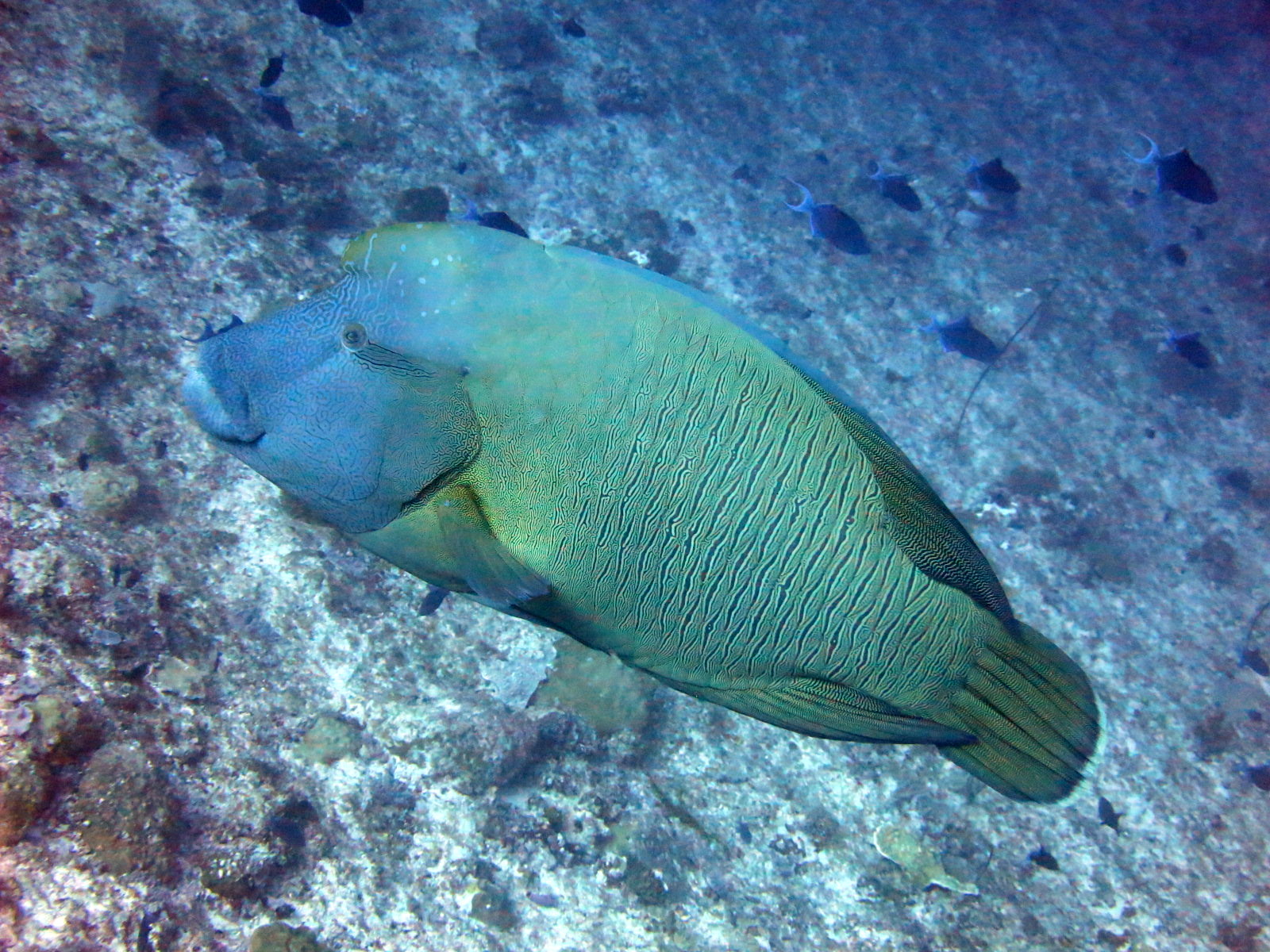
Napoleon (Humphead) Wrasse
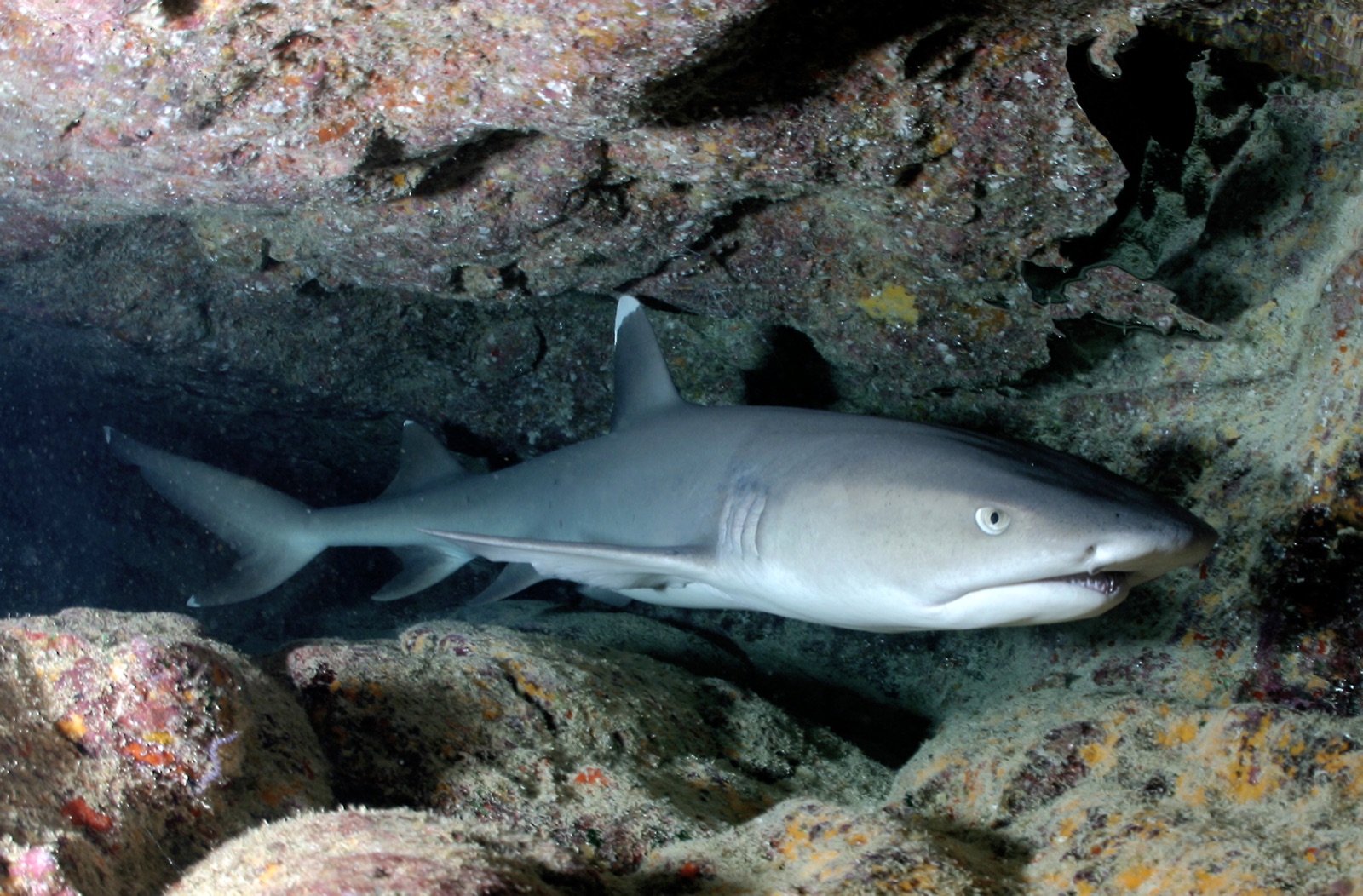
Whitetip Reef Shark
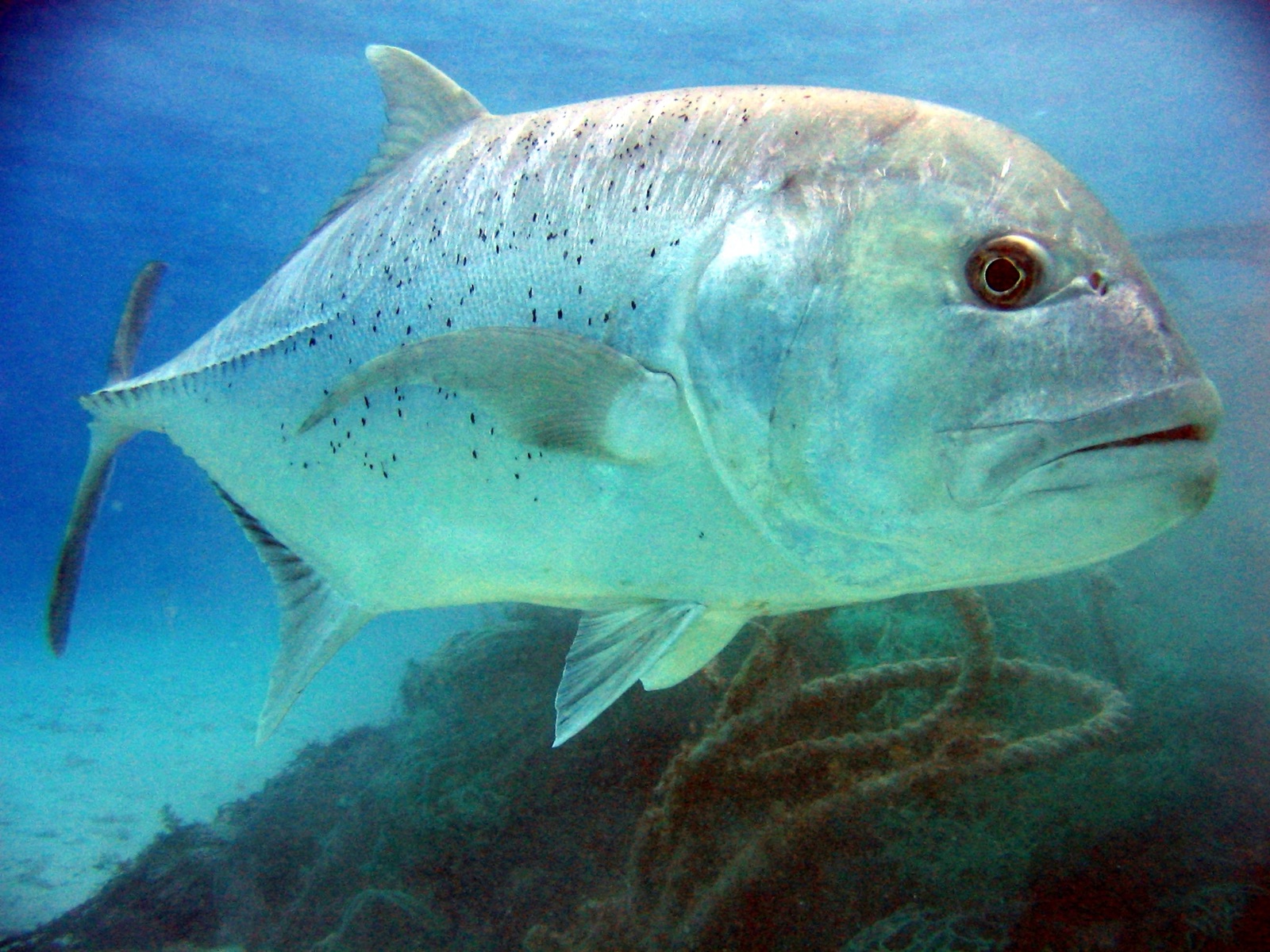
Giant Trevally
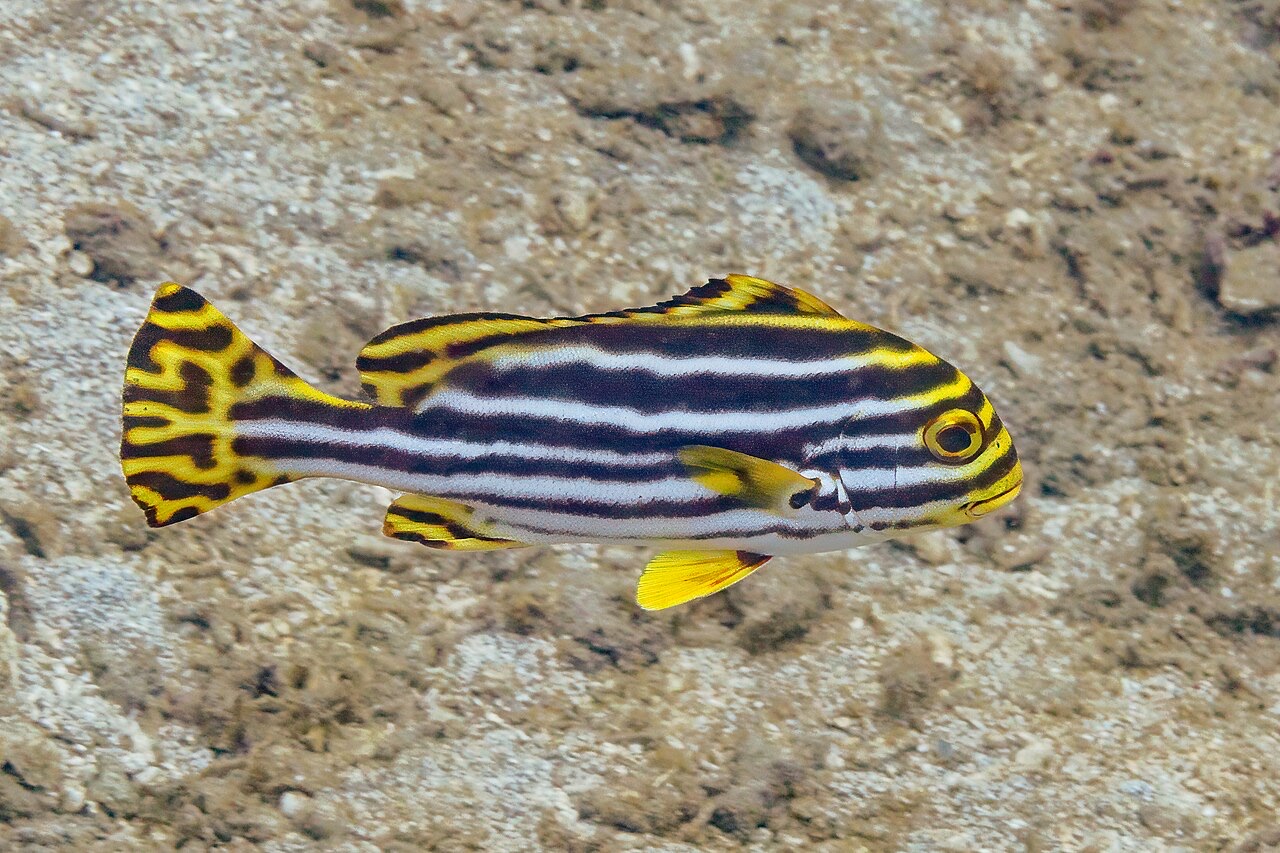
Oriental Sweetlips
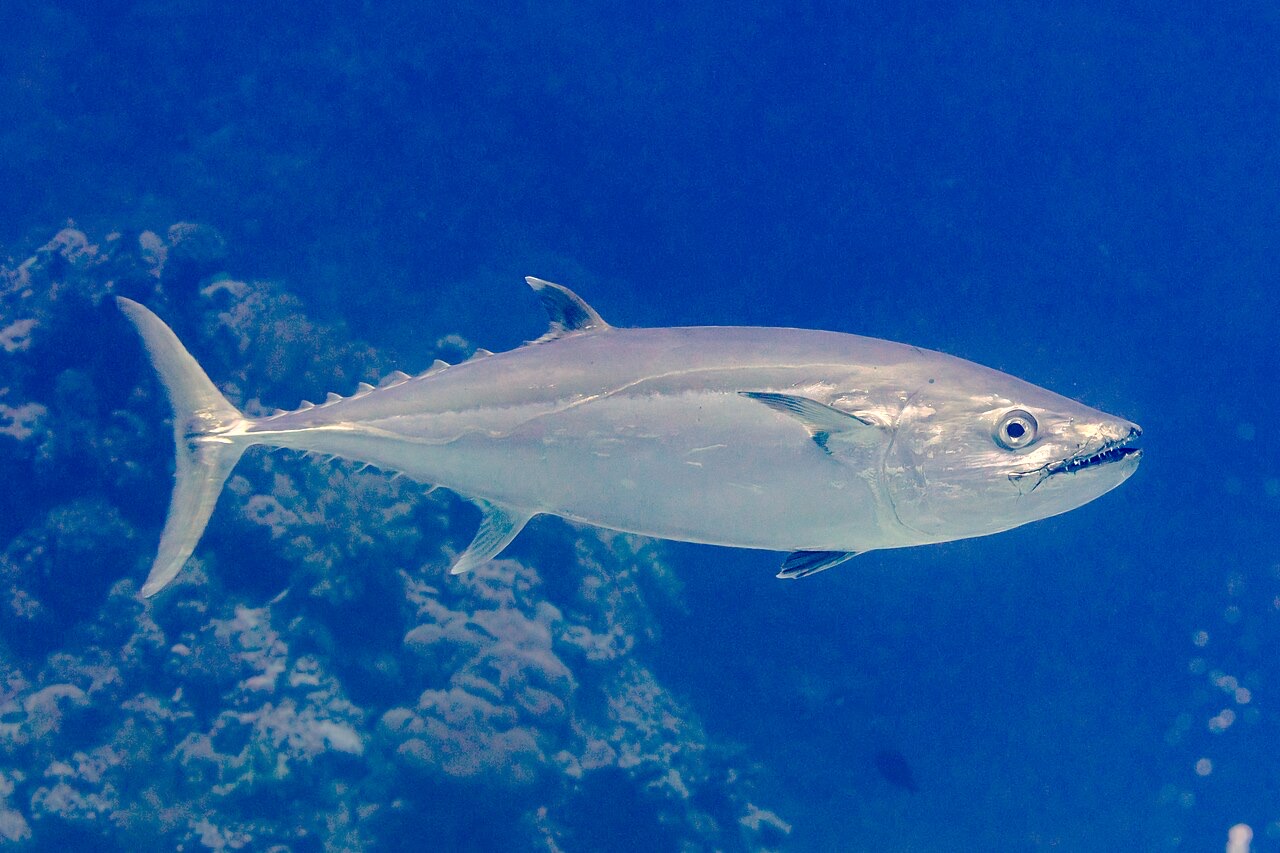
Dogtooth Tuna
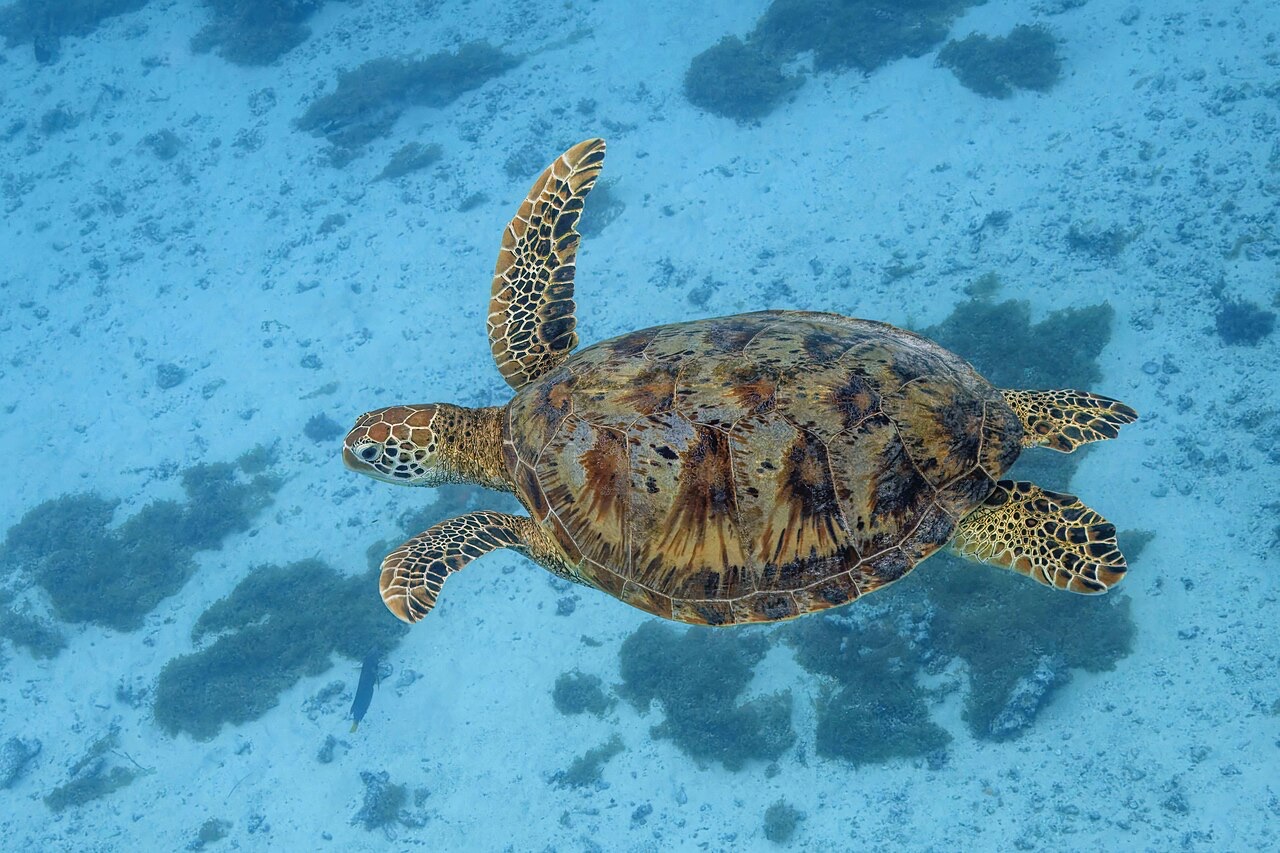
Green Sea Turtle
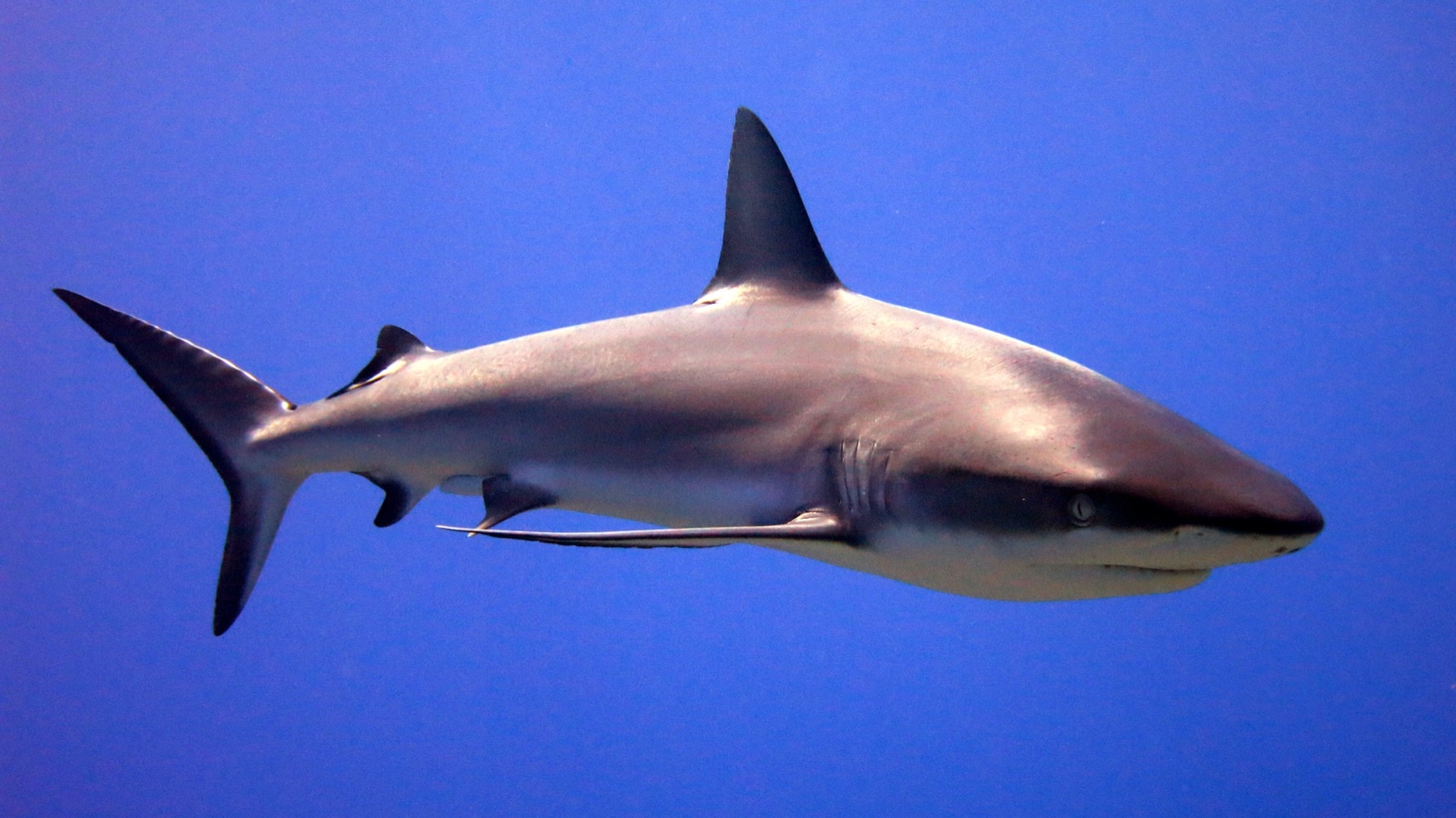
Grey Reef Shark
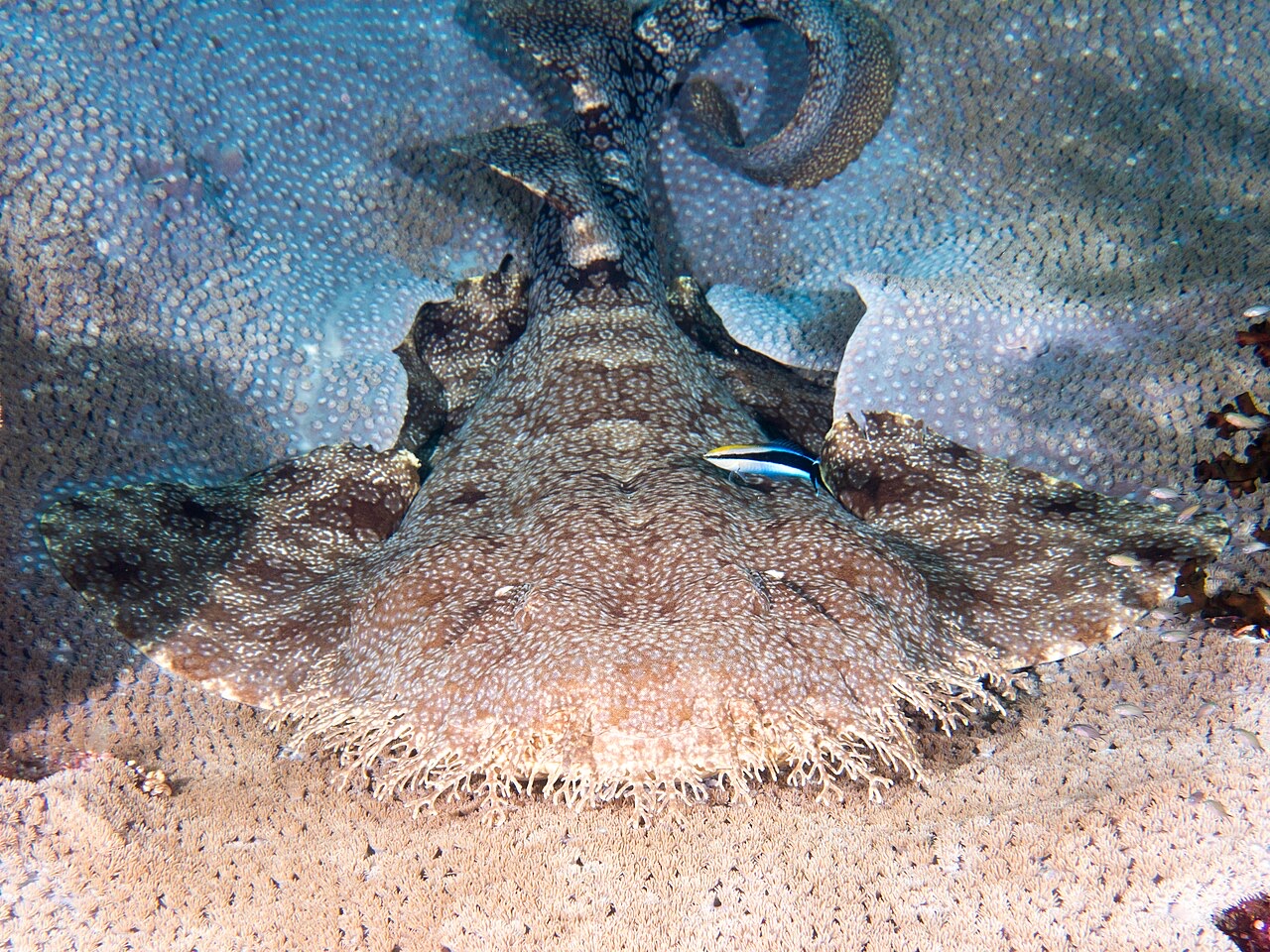
Tasselled Wobbegong
Also recorded nearby
"Charted here" species were listed by our editors from the sources on this page. Counts are GBIF occurrence records: observations logged within about 5 km of the charted position since 1990, matched only against the species in our catalogue. They show what has been seen there, not a promise of what you will see.
For photographers
Wide angle: ★★★★★ · Macro: ★★★☆☆ (editors' 1–5 rating of what this site gives each style of shooting)