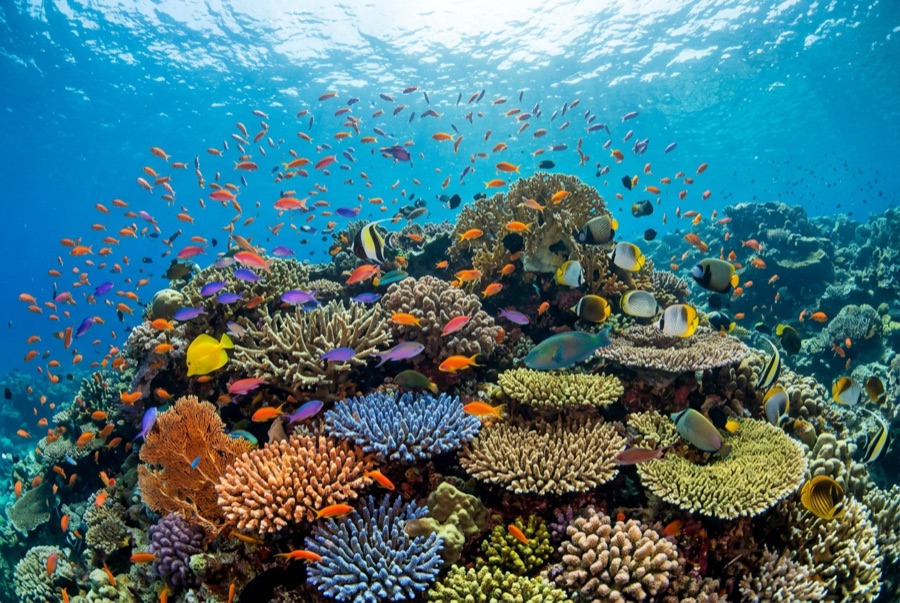
Cape Kri
La profondeur correspond à la plage allant du sommet du site jusqu'à son maximum habituel ; le « niveau recommandé » est le niveau demandé en général par les opérateurs auprès des grandes agences, pas une règle légale. Les courants et la visibilité varient chaque jour, traitez donc tout cela comme des plages indicatives de planification.
The eastern point of Kri Island is the dive that made Raja Ampat's reputation for sheer fish abundance: a survey here famously recorded more species on a single dive than almost anywhere on record. When the current presses the point, sweetlips pile beneath the table corals, snapper and batfish hang in mid-water walls, trevally and Spanish mackerel carve through fusilier clouds, and reef sharks patrol the down-current edge. Divers hook in or hover at the split and simply watch the traffic. On the drift off the point, wobbegongs wedge under plate corals and turtles work the rubble. It can feel like diving inside a bait ball with scenery.
Le moment pour lequel vous venez: Extreme fish density at the point; sweetlips aggregations; sharks and big trevally in the current.
Topographie: Coral-covered slope and point dropping from a shallow reef flat to sand past 40 m.
Courant: Tidal flow accelerates around the point; the fish show is best when it runs, so most dives are timed drifts with a reef hook briefing.
À savoir avant de plonger
Dangers: Strong, shifting current; possible down-current off the point; boat traffic on the surface.
Conservation: Inside the Dampier Strait marine protected area; patrols and the entry-tag system fund enforcement.
Nitrox: Pertinent ici : les profils se situent dans la plage où le nitrox prolonge significativement le temps sans palier (avec la formation pour l'utiliser).
Qui vous croiserez
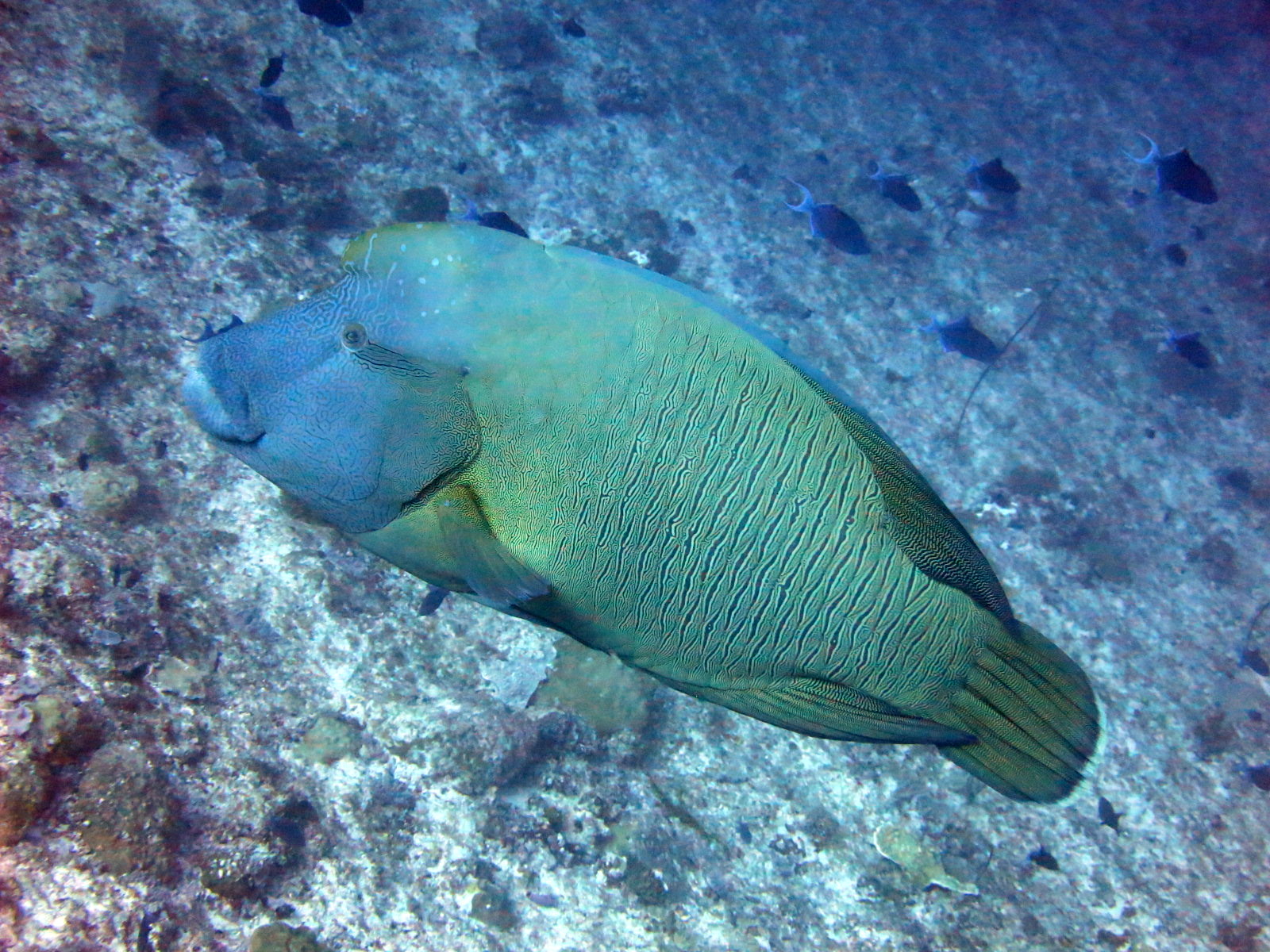
Napoleon (Humphead) Wrasse
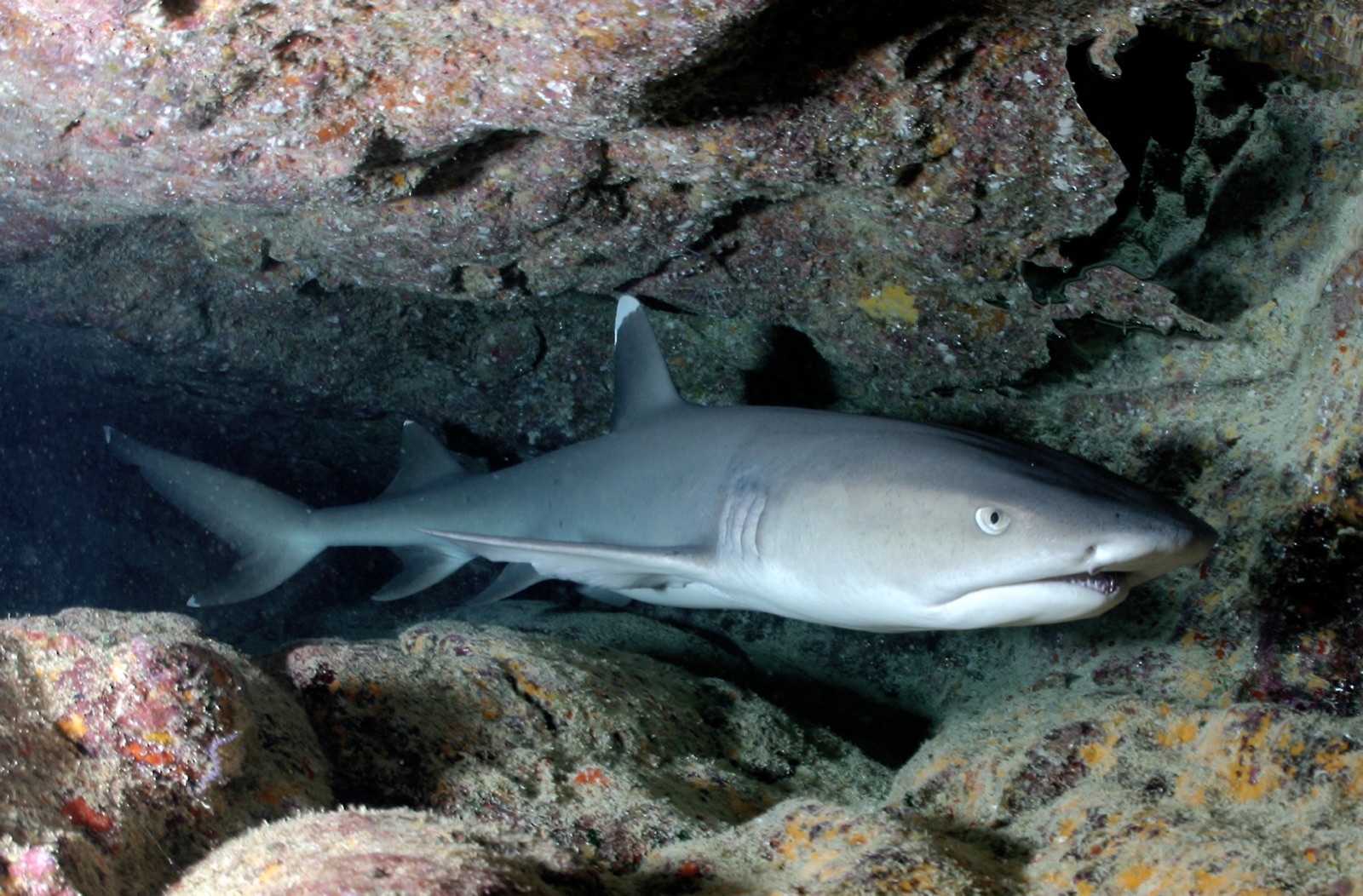
Whitetip Reef Shark
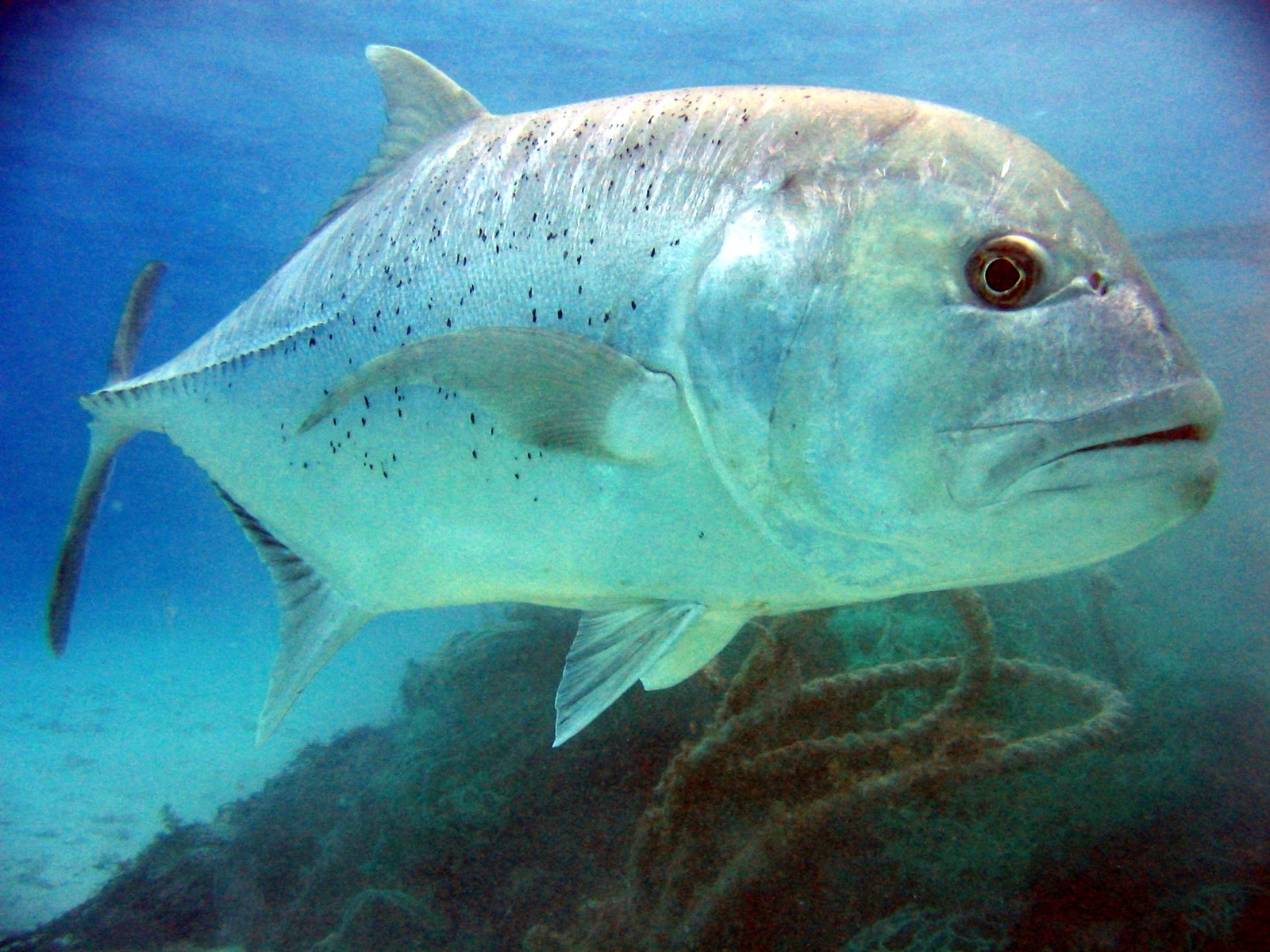
Giant Trevally
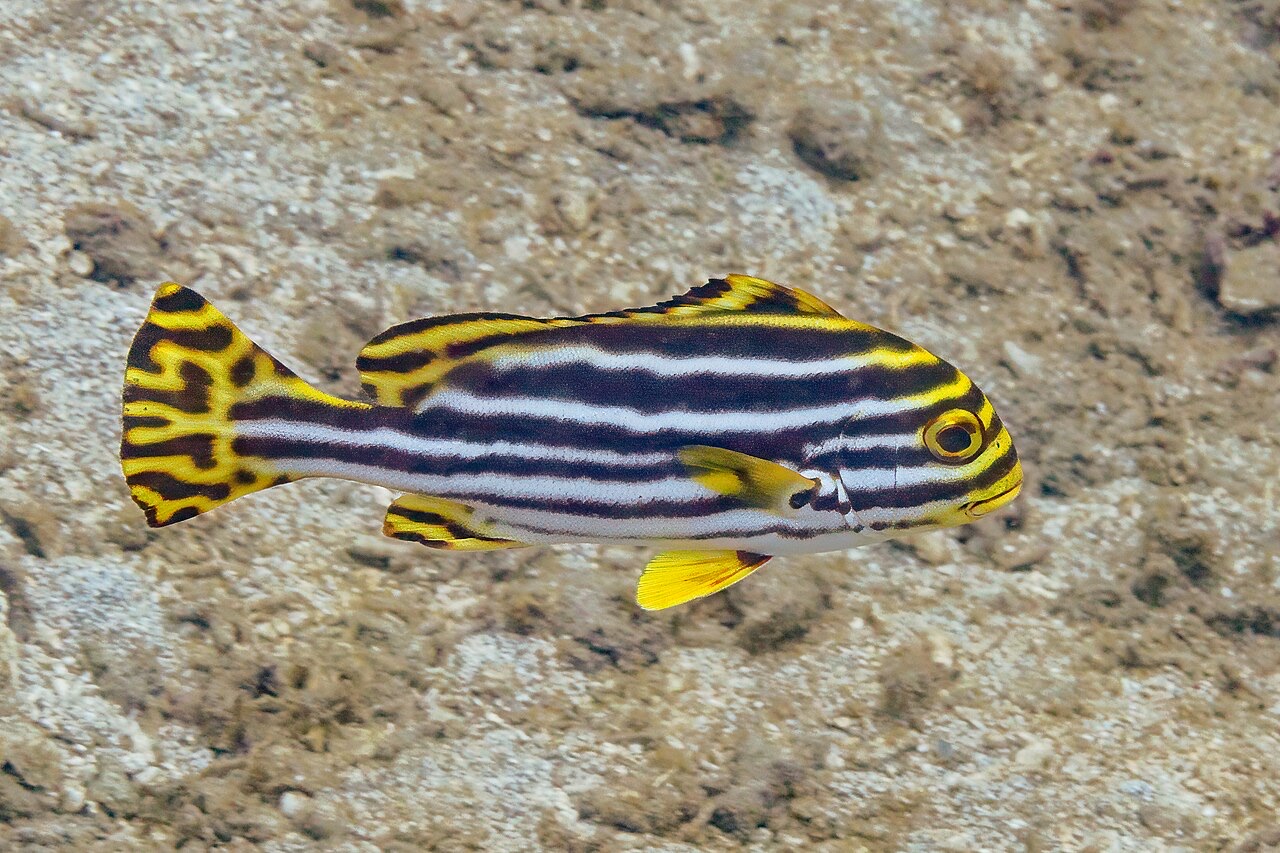
Oriental Sweetlips
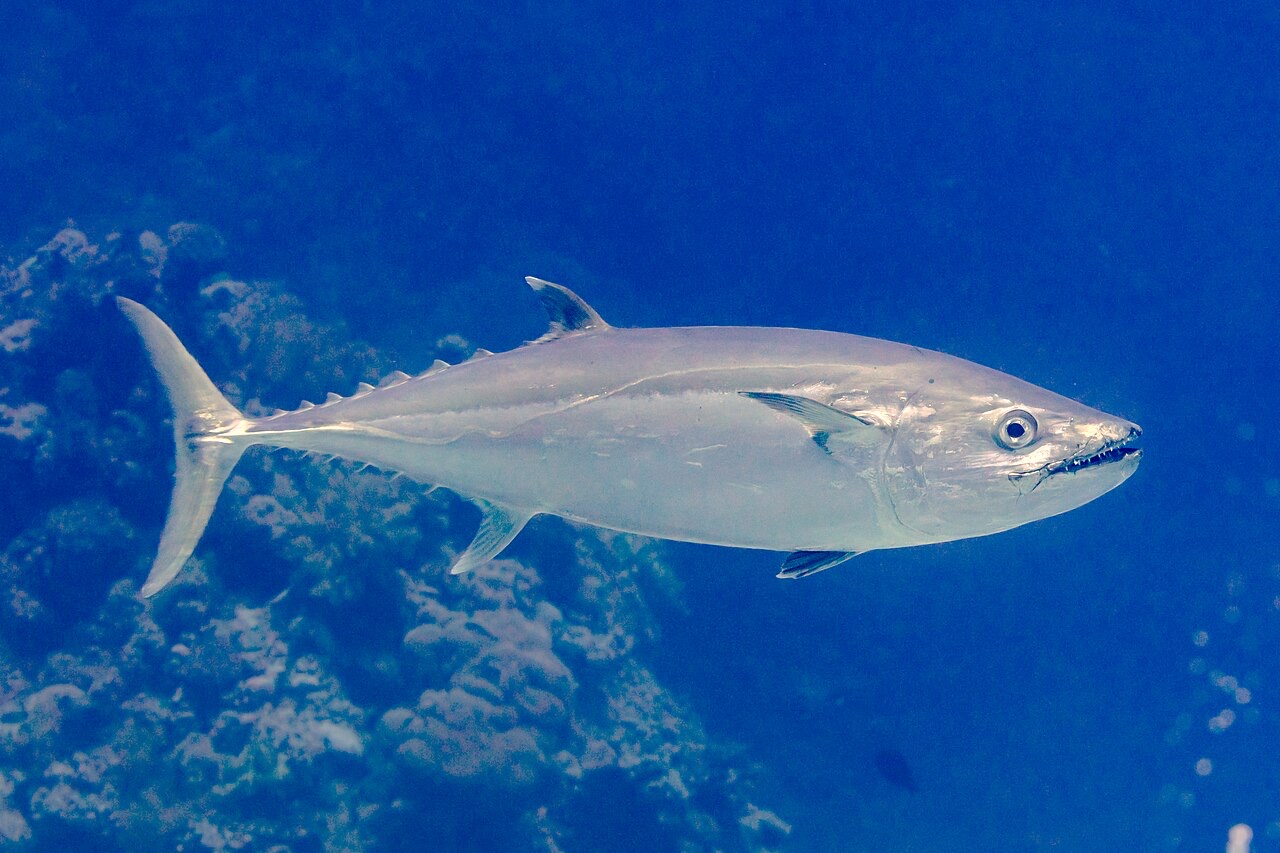
Dogtooth Tuna
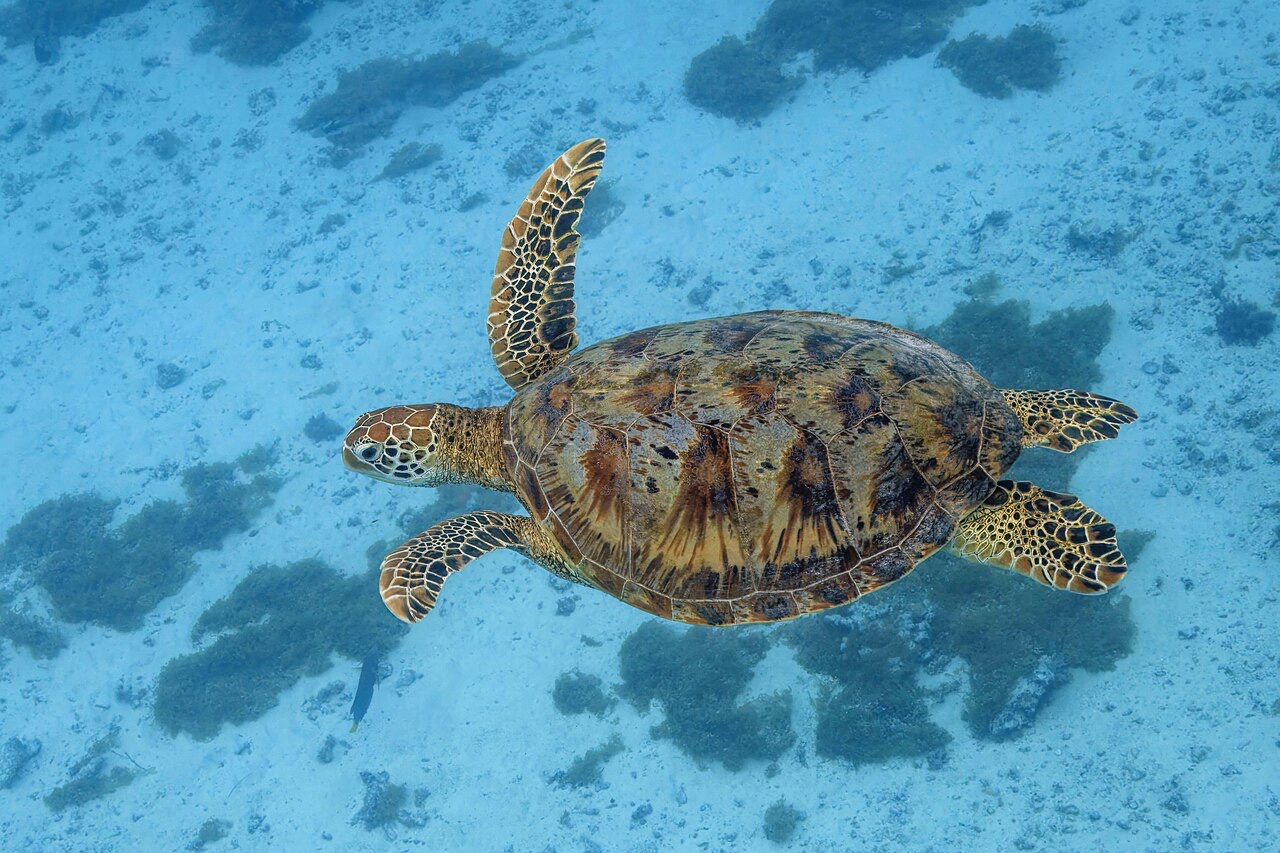
Green Sea Turtle
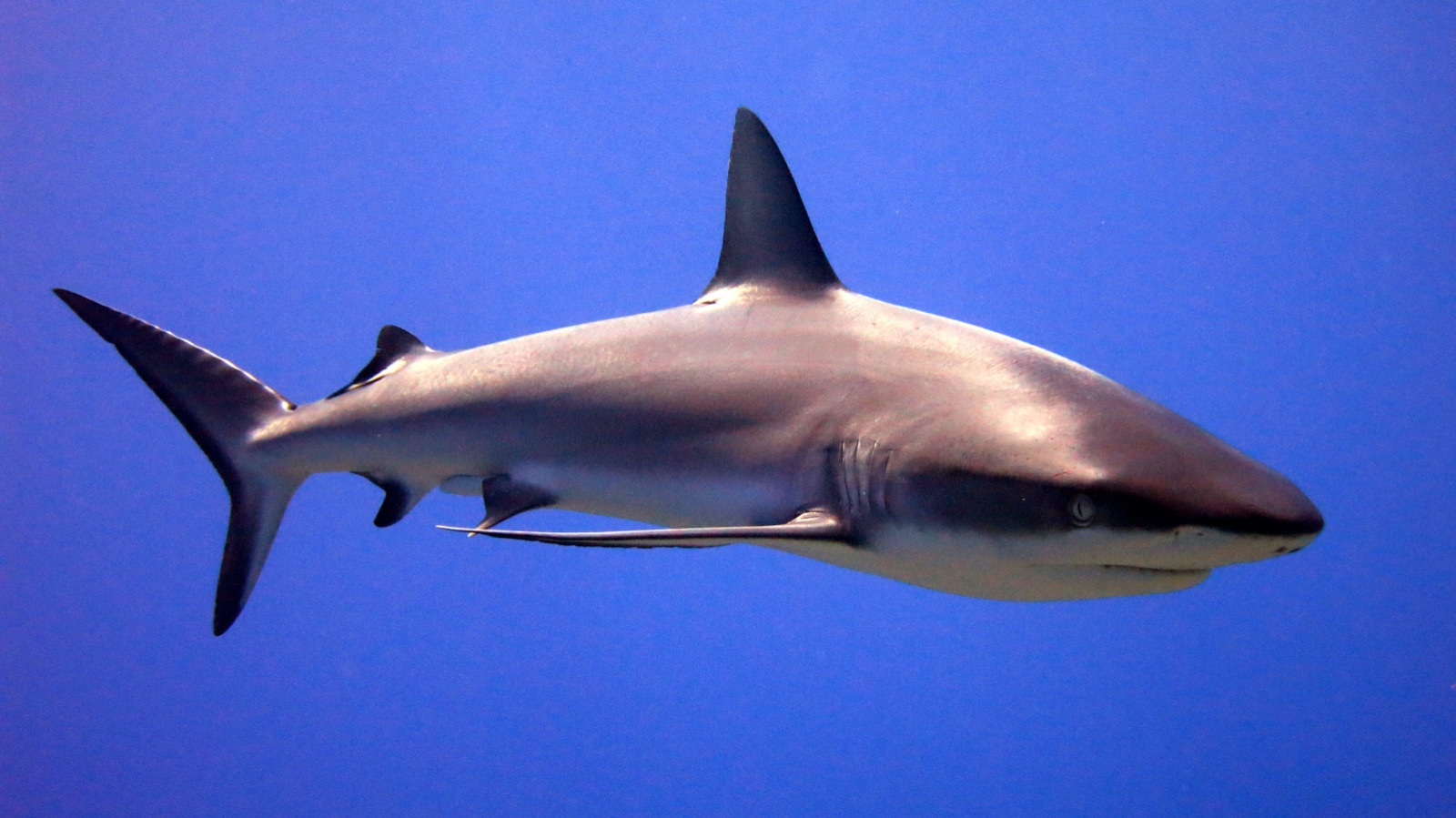
Grey Reef Shark
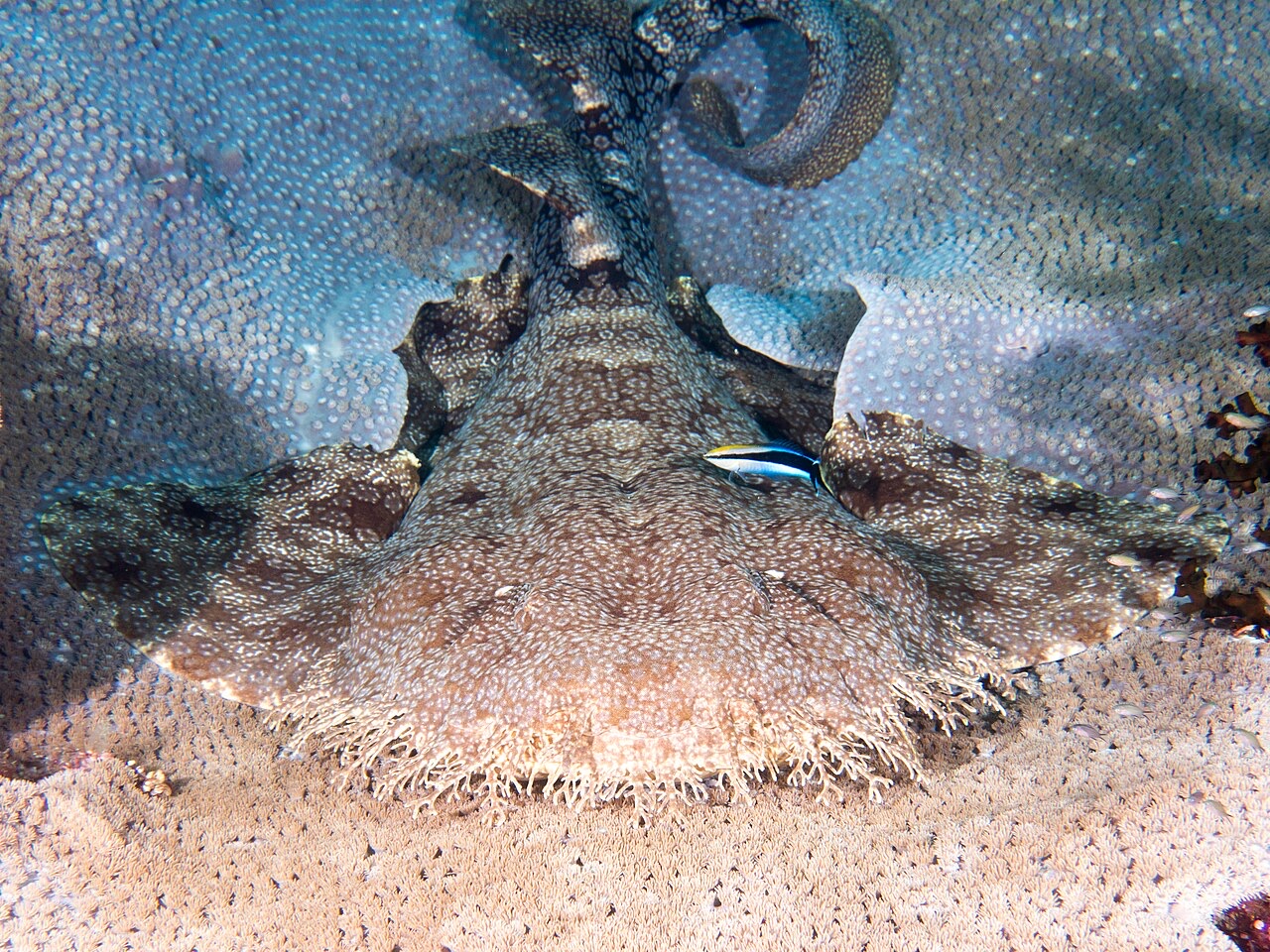
Tasselled Wobbegong
Également observé à proximité
Les espèces « cartographiées ici » ont été répertoriées par nos éditeurs à partir des sources indiquées sur cette page. Les comptages correspondent aux occurrences GBIF : observations enregistrées dans un rayon d'environ 5 km autour de la position cartographiée depuis 1990, comparées uniquement aux espèces de notre catalogue. Ils indiquent ce qui a été observé à cet endroit, sans garantir ce que vous y verrez.
Pour les photographes
Grand angle: ★★★★★ · Macro: ★★★☆☆ (note 1–5 des éditeurs sur ce que ce site offre à chaque style de prise de vue)