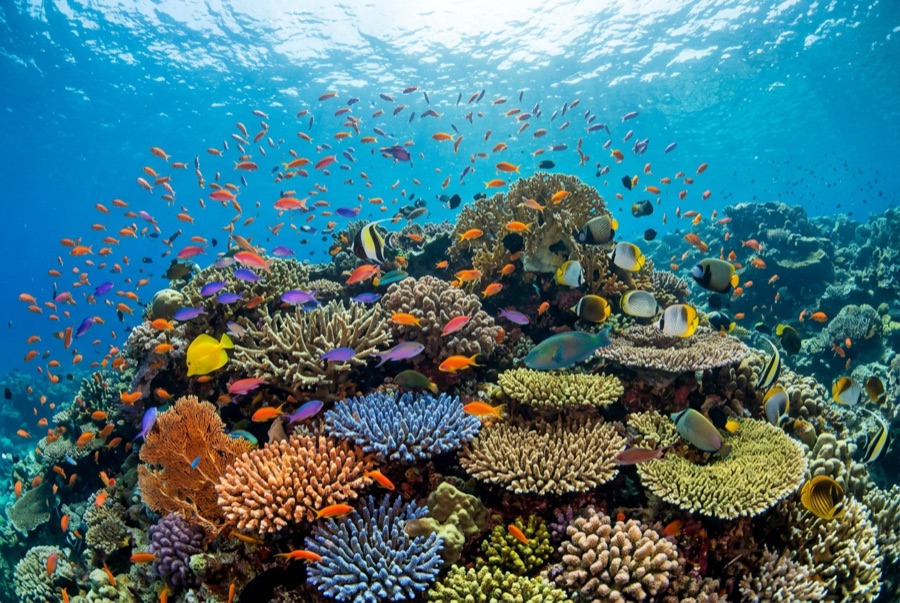
Cape Kri
A profundidade é o intervalo entre o topo do local e o seu máximo habitual; "certificação recomendada" é o nível das agências convencionais que os operadores normalmente exigem, não uma regra legal. As correntes e a visibilidade mudam diariamente, por isso trata tudo isto como intervalos de planeamento.
The eastern point of Kri Island is the dive that made Raja Ampat's reputation for sheer fish abundance: a survey here famously recorded more species on a single dive than almost anywhere on record. When the current presses the point, sweetlips pile beneath the table corals, snapper and batfish hang in mid-water walls, trevally and Spanish mackerel carve through fusilier clouds, and reef sharks patrol the down-current edge. Divers hook in or hover at the split and simply watch the traffic. On the drift off the point, wobbegongs wedge under plate corals and turtles work the rubble. It can feel like diving inside a bait ball with scenery.
O momento pelo qual você vem: Extreme fish density at the point; sweetlips aggregations; sharks and big trevally in the current.
Topografia: Coral-covered slope and point dropping from a shallow reef flat to sand past 40 m.
Corrente: Tidal flow accelerates around the point; the fish show is best when it runs, so most dives are timed drifts with a reef hook briefing.
Sabe antes de entrar na água
Perigos: Strong, shifting current; possible down-current off the point; boat traffic on the surface.
Conservação: Inside the Dampier Strait marine protected area; patrols and the entry-tag system fund enforcement.
Nitrox: Vale a pena aqui: os perfis situam-se na gama em que o nitrox prolonga significativamente o tempo sem paragem de descompressão (com a formação para o usar).
Quem vai encontrar
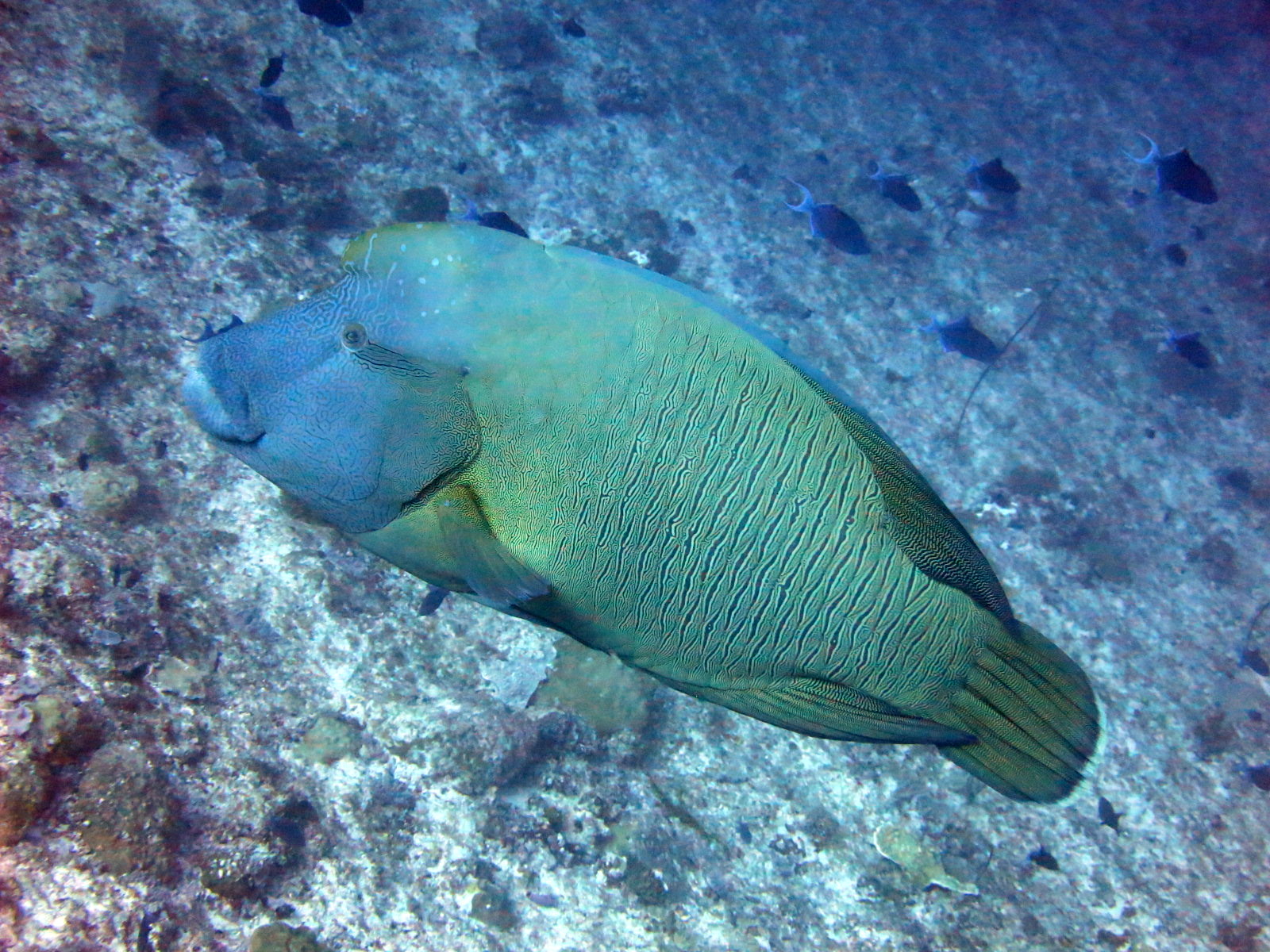
Napoleon (Humphead) Wrasse
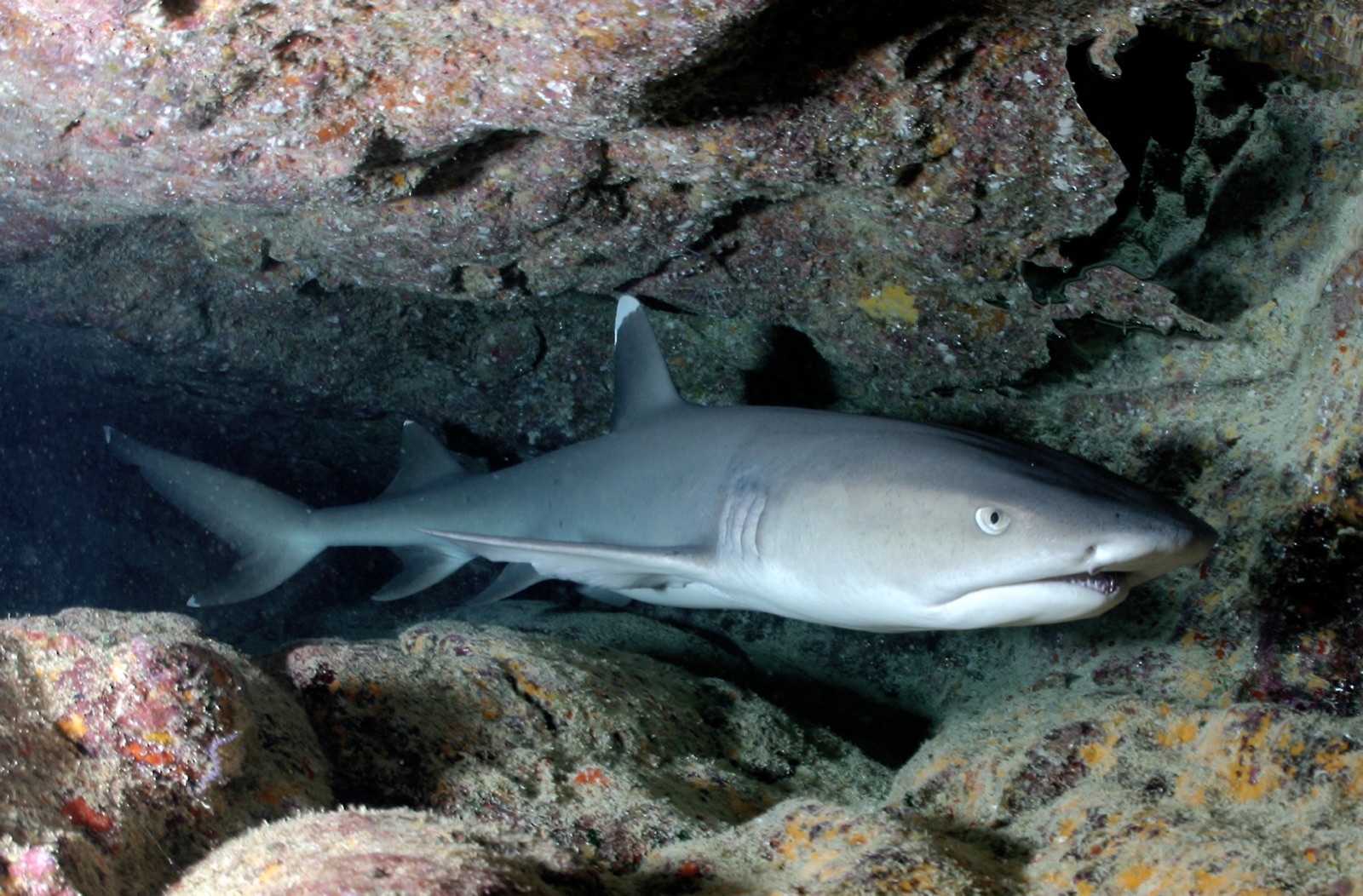
Whitetip Reef Shark
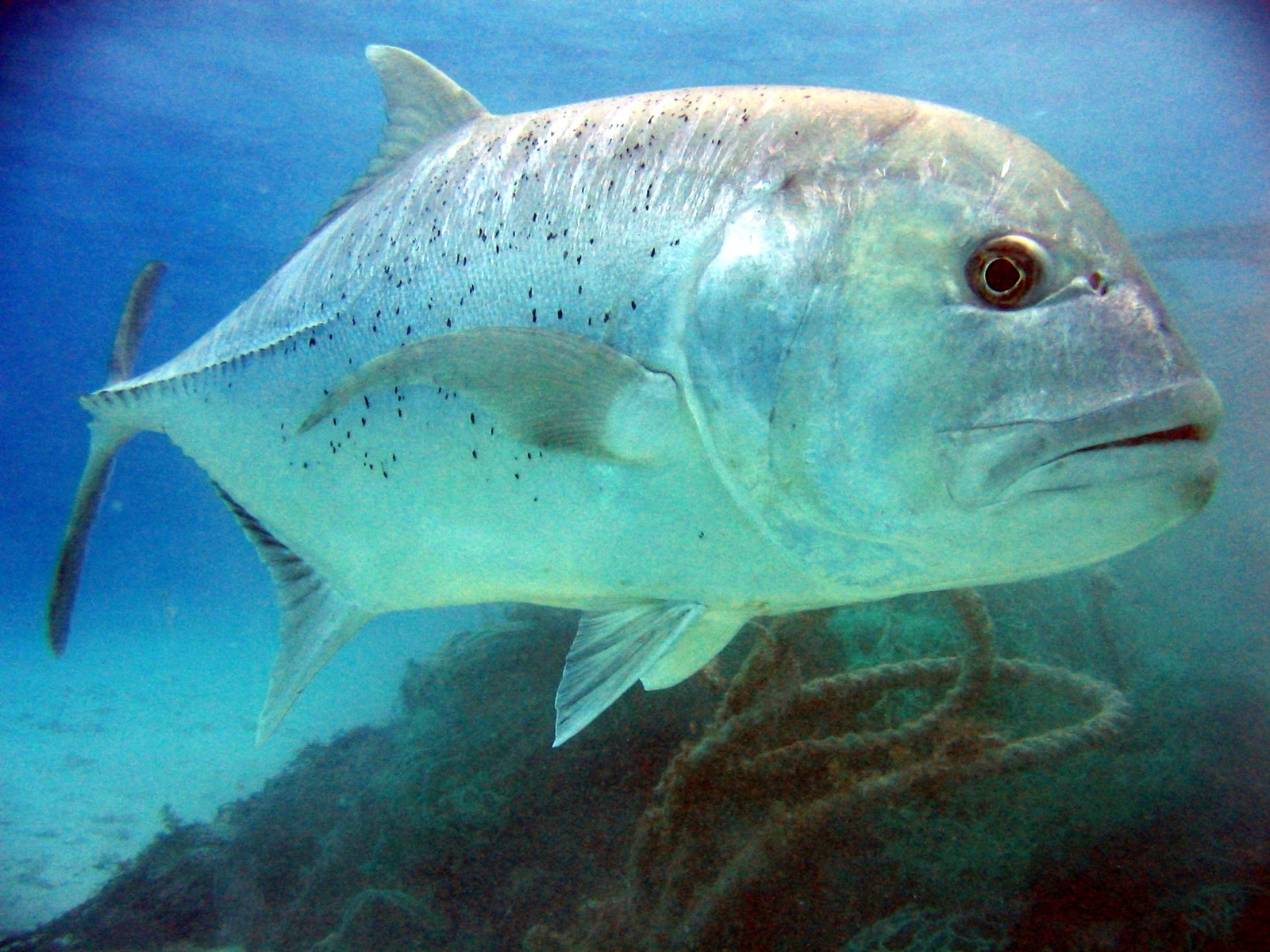
Giant Trevally
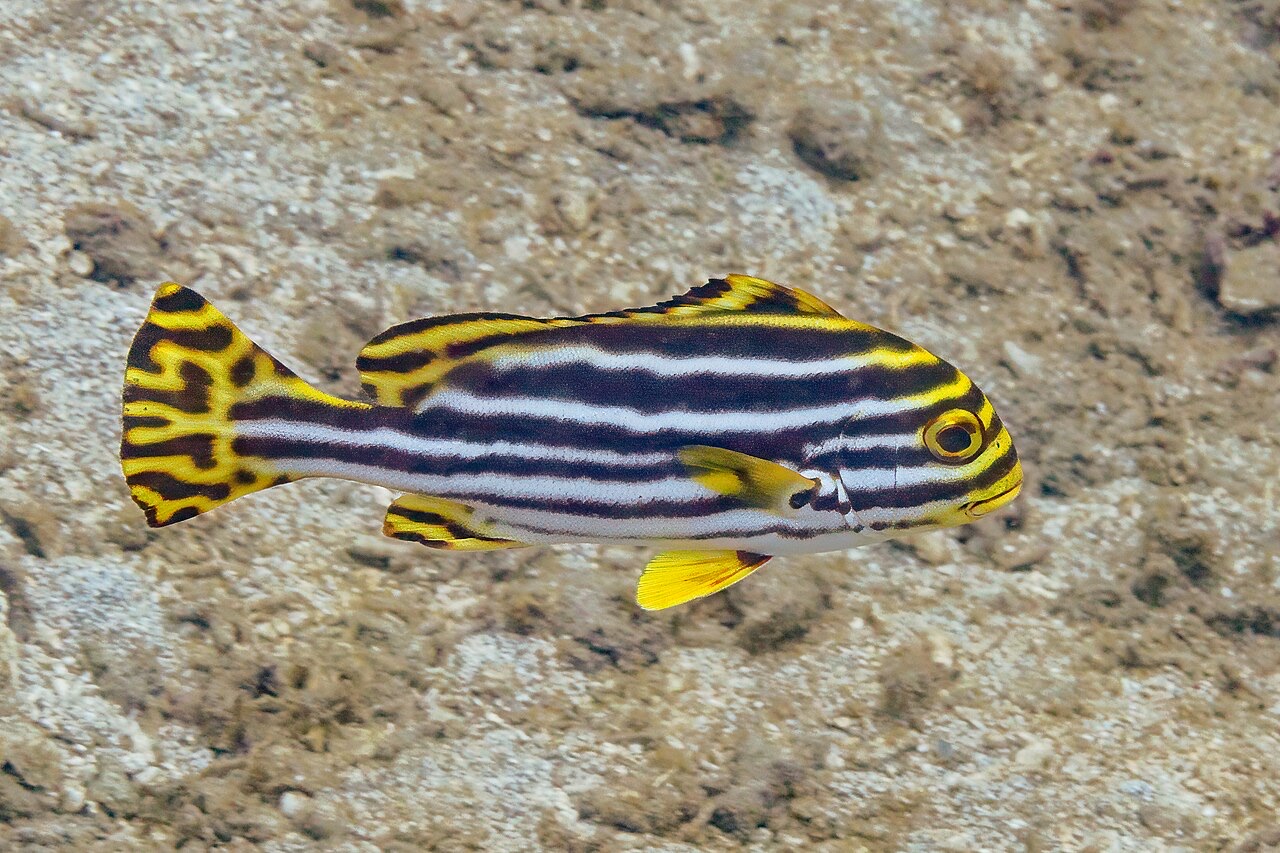
Oriental Sweetlips
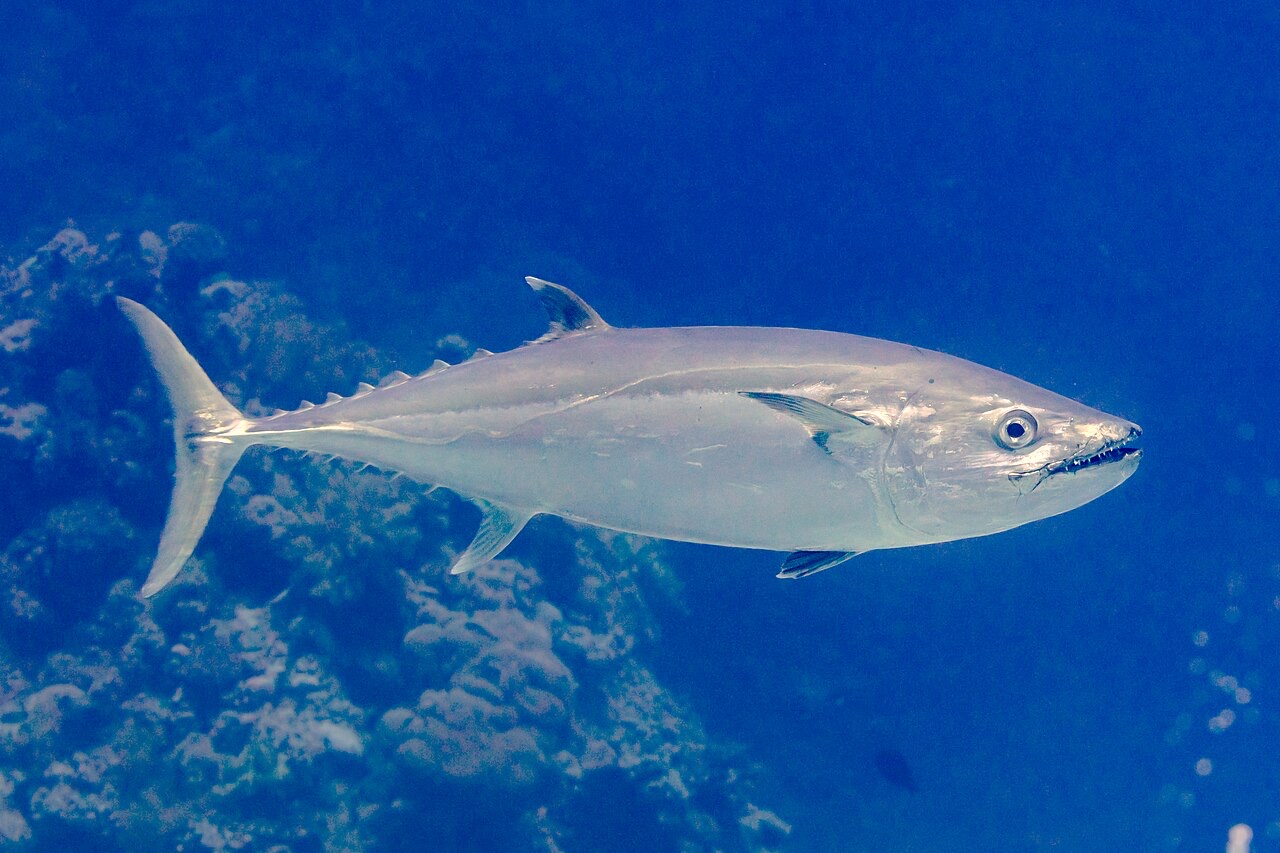
Dogtooth Tuna
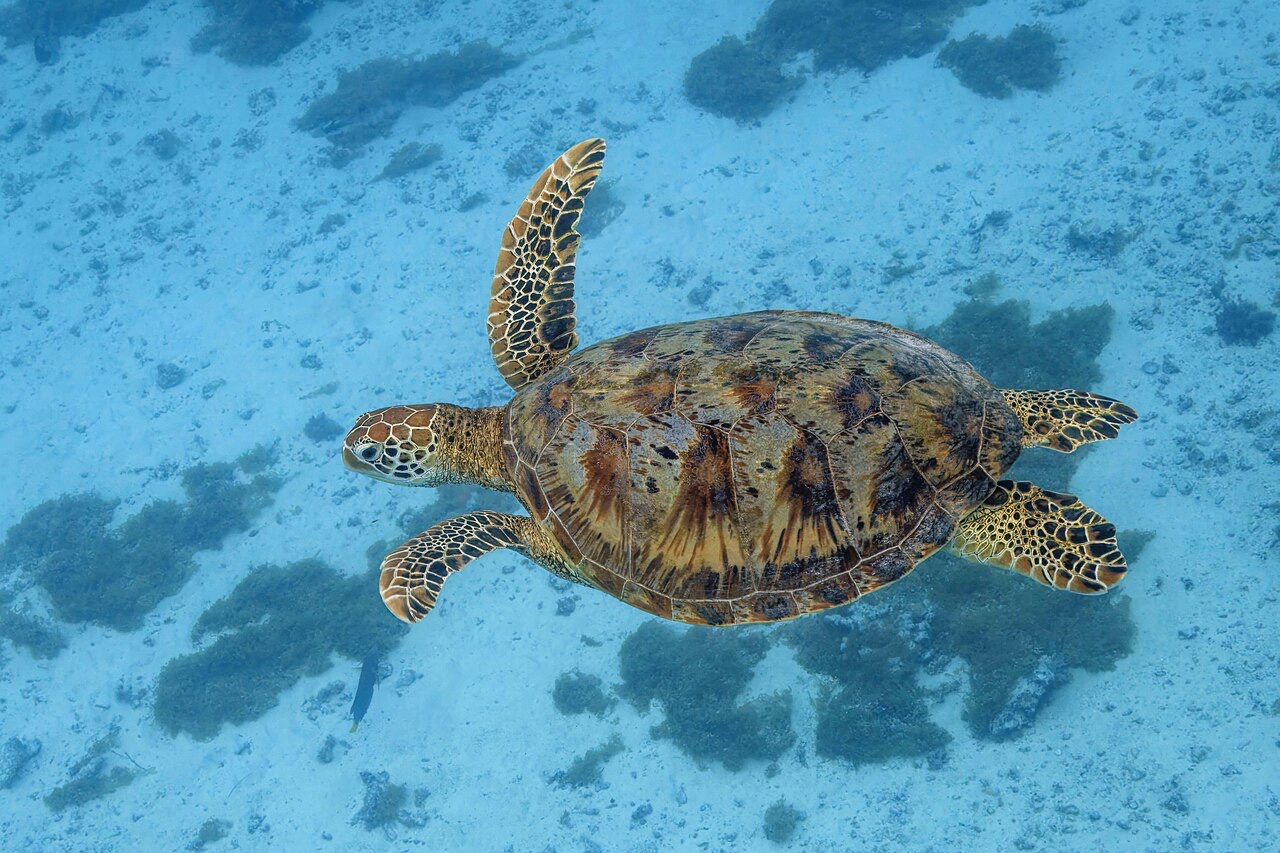
Green Sea Turtle
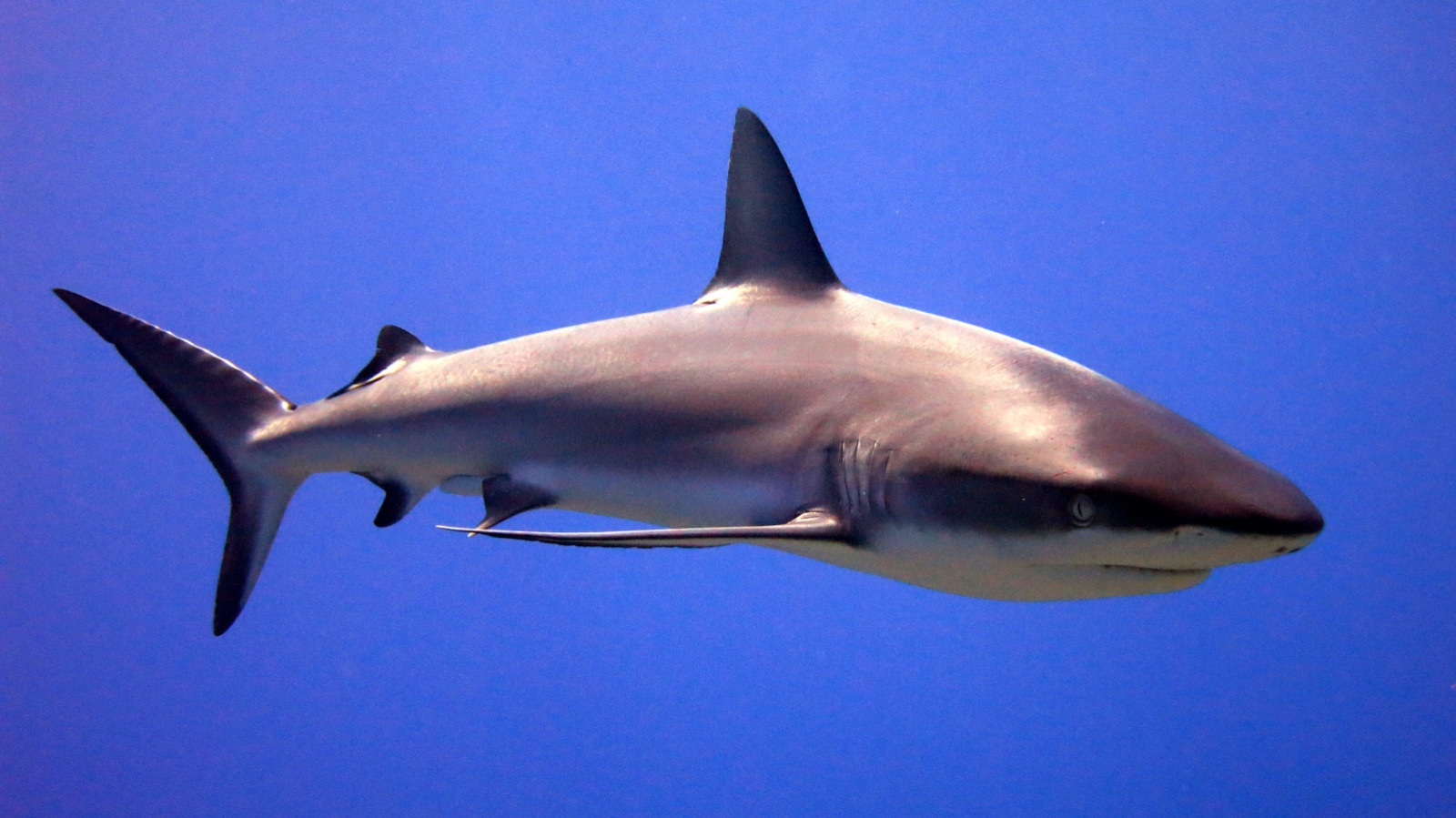
Grey Reef Shark
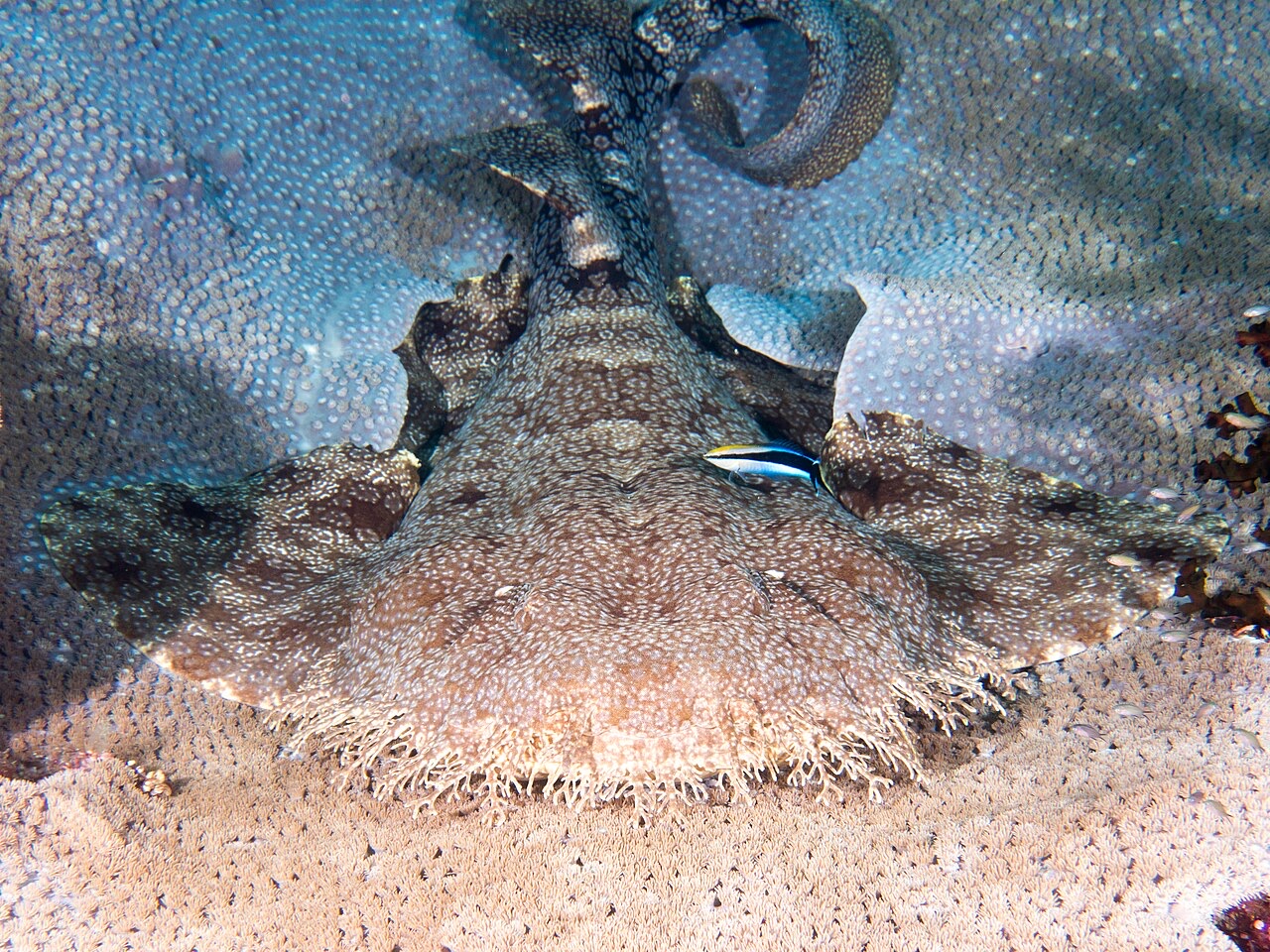
Tasselled Wobbegong
Também registado nas proximidades
As espécies "registadas aqui" foram listadas pelos nossos editores a partir das fontes desta página. As contagens são registos de ocorrência do GBIF: observações registadas num raio de cerca de 5 km da posição indicada desde 1990, cruzadas apenas com as espécies do nosso catálogo. Mostram o que foi avistado no local, não uma garantia do que irá encontrar.
Para fotógrafos
Grande angular: ★★★★★ · Macro: ★★★☆☆ (classificação de 1–5 dos editores sobre o que este sítio oferece a cada estilo de fotografia)